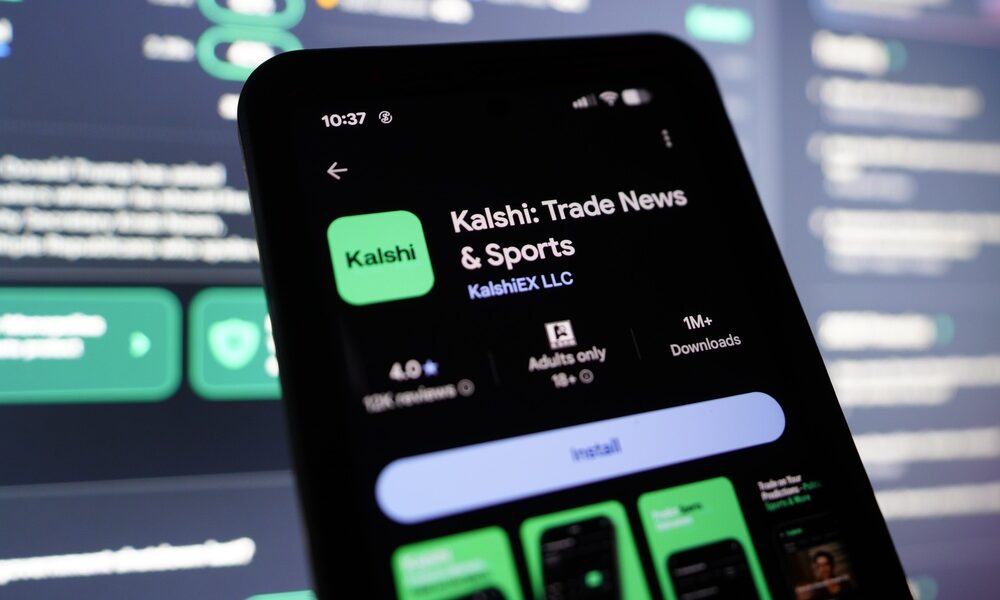

Despite a ruling in Washington state that found Kalshi is likely violating state gaming laws, uncertainty remains for tribal gaming leaders who argue sports event contracts offered by prediction markets are harming their economies and threatening their tribal sovereignty.
King County Superior Court Judge John McHale ordered Kalshi to implement geofencing by September 2 to prevent anyone in Washington from buying certain event contracts on its online platform. A preliminary version of the geofencing technology must be online by August 19, according to the order issued on August 13.
Kalshi immediately asked the Washington Court of Appeals to pause the judge’s injunction, but the court denied the request. If Kalshi does not comply by September 2, it will face $120,000 in daily fines or have to explain to the judge why the geofencing isn’t complete.
The geofencing requirement is similar to orders from judges in Michigan and Nevada. McHale’s order does not prevent event contracts to be offered on commodities, climate, economic or finances, but does ban event contracts on sports, politics, and entertainment.
The order is part of a preliminary injunction the court granted in July. There are 23 federally recognized tribes operating 29 casinos in Washington.
“Kalshi is regulated by the CFTC (Commodity Futures Trading Commission), which has exclusive jurisdiction over our exchange,” Jackie McGavick, spokeswoman for Kalshi, told CDC Gaming in an email. “We respectively disagree with the court’s decision and are considering all legal options.”
Jason Giles, executive director of the Indian Gaming Association, praised the court’s decision, calling it another victory, which are coming in bunches recently.
Most recently, a federal judge ruled that Utah can enforce its anti-gambling laws against Kalshi, while the CFTC filed an emergency declaration to allow Kalshi to continue operating in New York despite a lawsuit filed by New York Attorney General Letitia James seeking $36 billion in damages and accusing the company of offering illegal sports wagers.
“I think it should give some impetus for the U.S. Supreme Court to weigh in sooner rather than later,” Giles told CDC Gaming. “We are still waiting for Congress to take on prediction markets with oversight hearings to discuss the CFTC’s weaponization of their agency in promoting unlawful gambling proliferating by prediction markets.”
Giles stressed that Congress has a role to play in debunking the argument that sports bets are swaps.
“The courts are making their determinations and Congress should follow suit,” he added.
Tribes confident in Supreme Court intervention
IGA Chairman David Bean criticized CFTC Chairman Michael Selig for “prepping the industry for the Supreme Court,” but said tribes have a crucial role to play in educating lawmakers on the effect prediction markets have not only on tribal economies but “above all tribal sovereignty.”
It is also against the Indian Regulatory Gaming Act, which allows states to have a say in tribal gaming within their respective states, Bean said.
“We are dealing with a captive regulatory agency in the CFTC,” Bean said Wednesday during The New Normal webinar hosted by the IGA. “When have you seen an agency advocate on behalf of the people they are supposed to regulate.”
Bean added that tribes have to prepare for litigation and that the legal battle over prediction markets offering sports-event contracts will “eventually head to the Supreme Court,” especially when you have different circuit courts offering different options.

Giles confirmed that IGA has sent a petition to the Supreme Court to take up New Jersey’s case over prediction markets. In April, the Third Circuit Court of Appeals in a 2-1 ruling found that federal commodities law preempts state gaming bans on Kalshi’s sports event contracts.
Supreme Court Justice Samuel Alito extended New Jersey’s deadline until September 3 for the state to file a petition for certiorari, but it’s unclear if the state has formally petitioned the high court to take up the case.
“This is a problem. This is illegal. This is gambling,” Bean said of prediction markets offering sports event contracts.