▶ Black Executives On The Rise ▲
June 2026
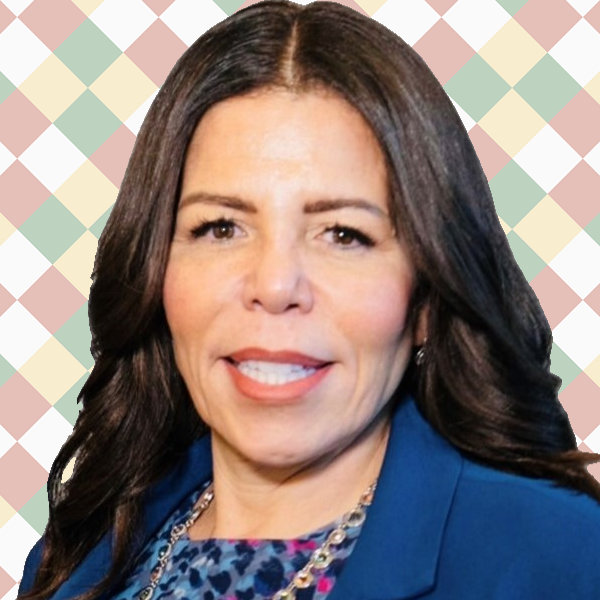
Tammi Marang
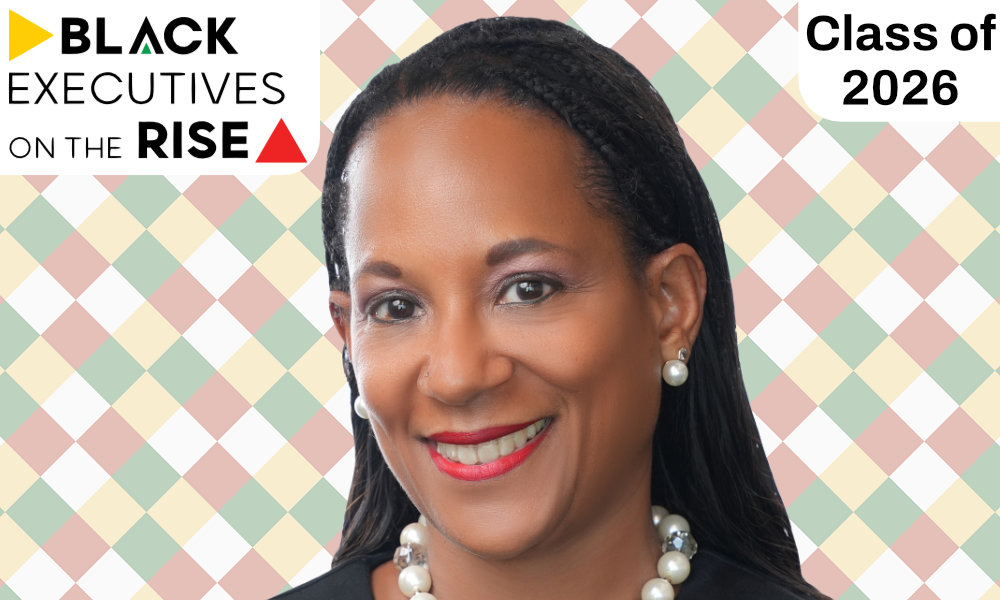
General Commercial Gaming Regulatory Authority Vice President and Responsible Gaming Manager
Hometown:
Chicago, Illinois
First job in the gaming industry:
Manager, Corporate Social Responsibility for Northstar Lottery Group, a subsidiary of GTECH (IGT)
What do you like about working in gaming?
I love that the industry is constantly evolving, particularly in the area of responsible gaming and consumer protection. When I first entered the industry, responsible gaming was recognized as important, but it was more established in regions like Europe and Canada. Over time, as gaming has expanded globally, the need for stronger regulation and more robust, operator-led RG programs has grown significantly. Those of us who work in responsible gaming represent the human side of the industry and show the very real impact it can have on individuals and families. Our role is to educate consumers about the risks associated with gaming and ensure consumers have access to the tools and support they need when play is no longer fun. I take great pride in having a duty of care to players. It’s what motivates me every day to keep learning, to keep improving, and to contribute to an industry that continues to raise its standards and do better.
Did anything surprise you about the industry when you first started?
I was pleasantly surprised to discover that responsible gaming is one of the few areas in the industry where competition truly falls away. It’s a space where collaboration matters more than anything else. Information sharing is essential—across operators, regulators, and jurisdictions—so we can collectively define and raise the standard of what best practice looks like. There’s something really powerful about seeing people come together in that way, united by a shared goal of protecting players and doing what’s right.
Were you familiar with gambling before landing a job in the industry? What were your thoughts about gaming before starting to work in the industry?
Not really. I was aware of problem gambling because I had spent nearly 13 years working in health and human services, where one of the support services we offered addressed it. At the time, though, I didn’t connect problem gambling to specific games or products. I saw it more as something that often existed alongside other forms of addiction, since many of the individuals we supported were dealing with broader substance use challenges. My exposure to gaming itself was also quite limited. I was familiar with riverboat casinos in neighboring states and the Illinois Lottery, which I associated with supporting good causes, but I didn’t have a deeper understanding of the industry. It wasn’t until I came across a job posting for a Corporate Social Responsibility role at a gaming company that everything really clicked. That’s when I began to connect the dots and truly understand the impact the industry can have—both positive and negative—on individuals and communities.
Has your impression of the industry changed at all?
As with most industries, there are both good and bad actors. As I’ve progressed in my career, I’ve become better at identifying those operators and regulatory authorities that treat responsible gaming as little more than a buzzword. It can be disappointing to encounter individuals or organizations that are not fully genuine in their approach. However, there are far more who are truly committed for the right reasons, and I don’t let the actions of a few shape my overall view of the industry.
What major trends do you see emerging in the gaming industry over the next 5 to 10 years?
From a responsible gaming perspective, I see two key areas of focus moving forward. First, there will be increasing pressure on both regulators and operators to adopt more prevention-driven approaches within regulatory frameworks and RG programs. Second, while AI will never replace human interaction or intervention, I do believe it will play a more significant role in how we assess and identify individual risk for gaming-related harm. I know UNLV is currently conducting some exciting research in this space, so like the rest of the industry, I’ll be watching closely.
What advice would you give to aspiring leaders in the gaming industry?
Stay true to who you are. Don’t shape yourself around what you think others expect; authenticity will take you much further than trying to please everyone. People will either respect you or they won’t, and that’s okay. Be clear about your values, your purpose, and what you want to achieve. When you stay grounded in that, everything else has a way of falling into place. Most importantly, trust your moral compass. If you lead with integrity and stay aligned with what you believe is right, you will always find your way and you’ll bring others with you.
Is there anything else you want to share about yourself, your journey or the industry.
I’ve always believed that staying open to what’s next is what shapes a meaningful career. I’ve never been afraid to step into the unknown or to admit when I still have more to learn. That mindset has kept me curious, grounded, and always evolving. No matter how much I achieve, humility remains at my core. It reminds me that growth is never finished; it’s something you choose every day. I feel incredibly fortunate to do the work I do. It’s more than a career; it’s a sense of purpose. And if I could bottle this feeling – the joy of learning, growing, and contributing to something bigger than myself and give it to others, I absolutely would.
Read others' stories: