▶ Black Executives On The Rise ▲
June 2026
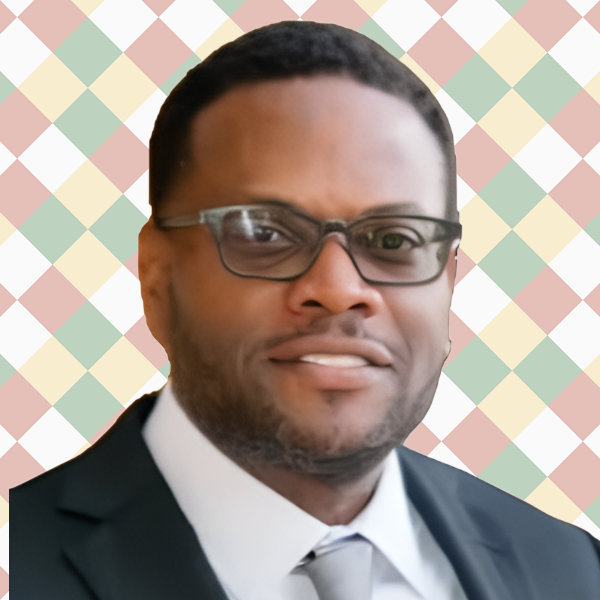
Lovell Armand Walker

Penn Entertainment Vice President of Business Development
Hometown:
Las Vegas, Nevada. Brooklyn, New York these days.
What was your first job in the gaming industry?
Slot Operations Intern at MGM Grand, then Slot Operations Analyst at New York New York. Those were the formative years. I learned the foundations on the floor, watching how the machines, the math, and the people actually worked together. Everything since has been built on what I picked up in those rooms.
What do you like about working in gaming?
It’s a constant learning environment. A property is part casino, part hotel, part F&B, part arena, part retail, part nightlife, and now a maturing digital business. All of it converging into one seamless customer experience. The categories keep evolving, which means you stay a student whether you want to or not. I’ve always wanted to. Building and optimizing systems that touch this many disciplines is the work I find most interesting, and it doesn’t sit still.
Did anything surprise you about the industry when you first started?
How much of it is a commodity. Most properties hit a standard bar. The rooms, the floor, the food, the points program. The product being distributed, in the end, is the service. You win on the edges. High-quality service, consistency, and deep guest relationships. Once I understood that, a lot of decisions across the business started to make more sense.
Were you familiar with gambling before landing a job in the industry? What were your thoughts about gaming before you started working in it?
I grew up in Las Vegas with two parents in the industry. My favorite movie was Casino. Being on a casino floor as a kid felt like standing inside a Scorsese movie set. I was eager to be in a position to create my own scenes someday. Gaming wasn’t an industry I discovered. It was the air I grew up in, and I wanted in early.
Has your impression of the industry changed at all?
I’ve seen this business from the most micro-operational level to macro corporate development over fifteen years. My impression has evolved as my perspective has, all in a good way. The industry doesn’t reward rigidity. It evolves, and the people who do well in it evolve with it. The longer I’ve been in it, the more respect I have for how much there still is to learn.
What major trends do you see emerging in the gaming industry over the next 5 to 10 years?
AI is the obvious answer. Its impact on online sports betting, iGaming, back-of-house optimization, corporate infrastructure, and marketing. All of it gets reshaped. What I’m more interested in is what AI does on the consumer-facing brick-and-mortar side. Physical properties have to keep earning their value against an increasingly sophisticated digital experience. The operators who figure out how AI makes the in-person product better, not just more efficient, are the ones I’d watch.
What advice would you give to aspiring leaders in the gaming industry?
Embrace failure. Making mistakes and working through them is what earns you access to bigger, more interesting problems, and chasing bigger problems is the whole game. Stop identifying with your mistakes. Take them as learning and move on. The nicks, bruises, embarrassments, and exposures aggregate into something that makes you better in the macro.
Build deep relationships with people smarter than you in different areas. I chose range over depth, which meant I needed an abundance of allies and subject matter experts, and it meant communicating extremely well needed to be my primary tool. Solving complex problems is timeless work. Build that muscle through constant learning and the relationships that come with it.
Is there anything else you want to share about yourself, your journey, or the industry?
It’s an exciting time to be in this industry as a Black executive. Candidly, there’s still more work to do. I see the progress being made, and I’m looking forward to seeing more of us rise and make an impact. That’s the honest version. I’d rather keep the work moving than say more about it than that.
Read others' stories: