


A resort can have a consistent advertising campaign and still deliver a disjointed experience. Marketing promises one thing, operations delivers another, and the information that might explain the difference sits with a team no one thought to invite.
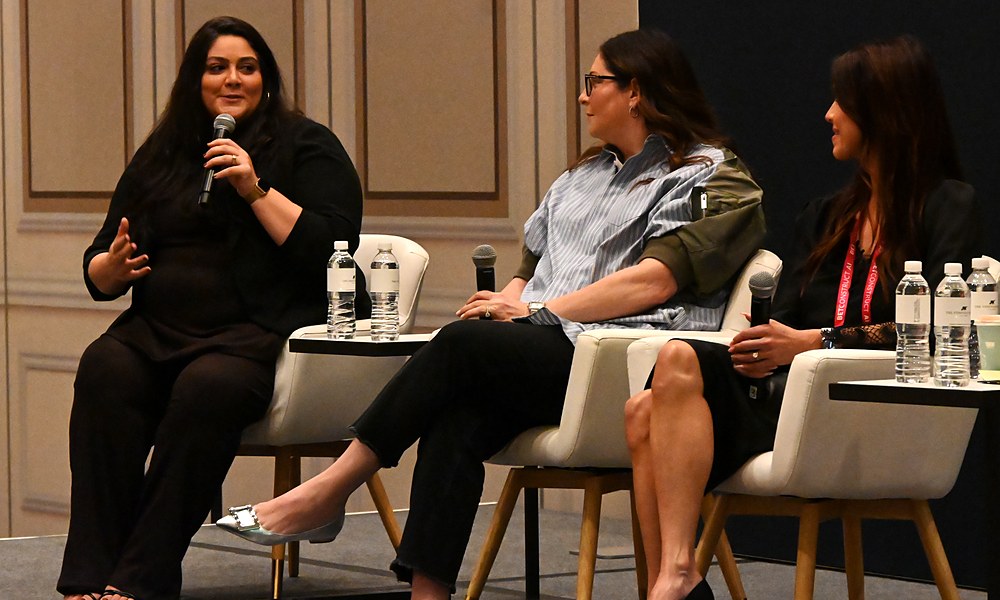
That problem gave Monday’s G2E session, “Integrated Marketing and Communications for Integrated Casino Resorts,” its most useful business argument: Integration has to begin while decisions are being made, early enough to influence what the guest will experience.
Christina Lombardi, vice president of brand marketing and communications at Foxwoods Resort Casino, put the customer’s perspective plainly: “The guest doesn’t understand your internal organization chart.”
The guest does, however, experience the consequences.
Collaboration needs authority
Moderator Justin Cohen, founder and CEO of BTV Marketing Group, pressed the panel on a familiar frustration: resorts collect information across gaming, hotels, entertainment, and other businesses, yet getting that information where marketers need it remains difficult. And connecting those departments involves competing priorities and technology resources. Cohen argued that the CEO has to make the work a priority. Marketing cannot independently change the direction of a technology or operations organization.
Jennifer Weissman, SVP and CMO at PENN Entertainment, described how closely her marketing and technology teams now work together. Clear direction from the CEO about where to spend resources has helped align their plans. “And I think it starts at the top.”
She also described a broader audience for customer research. Findings that marketing once might have discussed internally now need to reach technology, operations, and food and beverage teams.
That gives collaboration a practical purpose. If research identifies a problem with the guest experience, the people responsible for fixing it need to understand the evidence. Otherwise, marketing is left promoting an experience it has limited ability to improve.
Bring in PR before the announcement
Natalie Mounier, SVP of public relations at Kirvin Doak Communications, described how her team approaches Bellagio Fountain Club during the Las Vegas Grand Prix. The experience combines racing, hospitality, entertainment, and culinary access. Working with MGM Resorts’s internal teams, Mounier’s team develops media moments featuring celebrated chefs, giving the culinary offering a distinct story within the broader event.
That specificity is useful. A prospective guest can understand the appeal of meeting the chefs whose food they will eat. It gives media something to cover and social teams something to show beyond another promise of luxury.
Lombardi explained how involving PR early helps a narrative extend into social media, influencer content, and other channels. At Foxwoods, Gordon Ramsay Hell’s Kitchen offers several points of interest, including dining, television, celebrity, and fandom.
Each channel can serve its audience while drawing from the same experience. Getting there requires agreement on what makes that experience compelling before everyone begins producing their own version.

Mounier also made clear where the responsibility ultimately lands. “The property needs to deliver on the experience that we promise in order for it to be a success.”
The guest has publishing rights, too
Lombardi noted that guests have become participants in the content surrounding a resort. They post reviews, share restaurant experiences, and help shape what other people expect. That makes operational delivery part of the communications strategy. A campaign can attract attention, but the guest’s account of the visit will carry its own authority.
The opportunity extends to how resorts introduce themselves. Lombardi pointed to The Bedford by Martha Stewart as a reason someone might visit Foxwoods, stay longer, and discover experiences that traditional casino advertising would not have introduced to them. Understanding that motivation gives marketers something useful to work with beyond a transaction record.
Give the team time to think
Weissman’s approach to AI is grounded in the workload of a marketing department. Segmentation and message delivery require manual effort that could be reduced, allowing employees to spend more time considering the right message, testing offers and understanding customers.
The potential benefit depends on what teams do with the time recovered. Producing more communications is a limited ambition if no one has time to examine whether the offer is appropriate.
Weissman encouraged thinking beyond familiar incentives to experiences and memories. Cohen agreed, urging marketers to “stop thinking of the freebie and think about how we can add value with more of what we have in our great resort.”
The discussion returned to decisions made before a campaign launches: which customer it serves, what the property can deliver, and what information teams need to do their jobs.
Lombardi’s closing recommendation was direct: “I think my one takeaway is to integrate earlier.”
For resort marketers, that means getting operations, technology, PR, and customer insight into the discussion while they can still shape the product. By the time everyone is approving the final promotional copy, many of the decisions that determine its commercial success have already been made.
