


A few weeks ago I got served a luxury alcohol ad on Instagram that looked like it had been focus-grouped inside a spaceship.
Beautiful cinematography. Sweeping desert drone shots. A couple in linen smiling at each other like they had just successfully completed therapy. Someone slowly pouring tequila into a glass, dramatic piano music playing in the background.
Later that same day, I was sitting in traffic on Flamingo staring at a giant liquor billboard with one of those slogans that sounds like somebody asked AI to make tequila feel spiritually important. “It’s not a drink. It’s a ritual.” Which feels like a lot to ask from tequila.
Right as I read that line, a woman in Cookie Monster pajama pants crossed the street carrying a margarita the size of a toddler. Honestly, she felt like the more effective alcohol advertisement. Or at least the more believable one.
Inspired by the pajamas, I started thinking about how exhausting polished marketing has become lately. Not bad, exactly, but also weirdly detached from how people actually experience things now.
Nearly two-thirds of consumers worry that business leaders are intentionally misleading people. Which honestly feels low, considering that the average person now spends half their day navigating fake reviews, AI-generated photos, sponsored influencer trips pretending not to be sponsored, and products online that appear to have been assembled from compressed dust.
At this point, consumers approach advertising the same way raccoons approach unfamiliar trash cans. Curious, but defensive. Which is probably why the marketing catching my attention lately feels less polished and a little more self-aware.
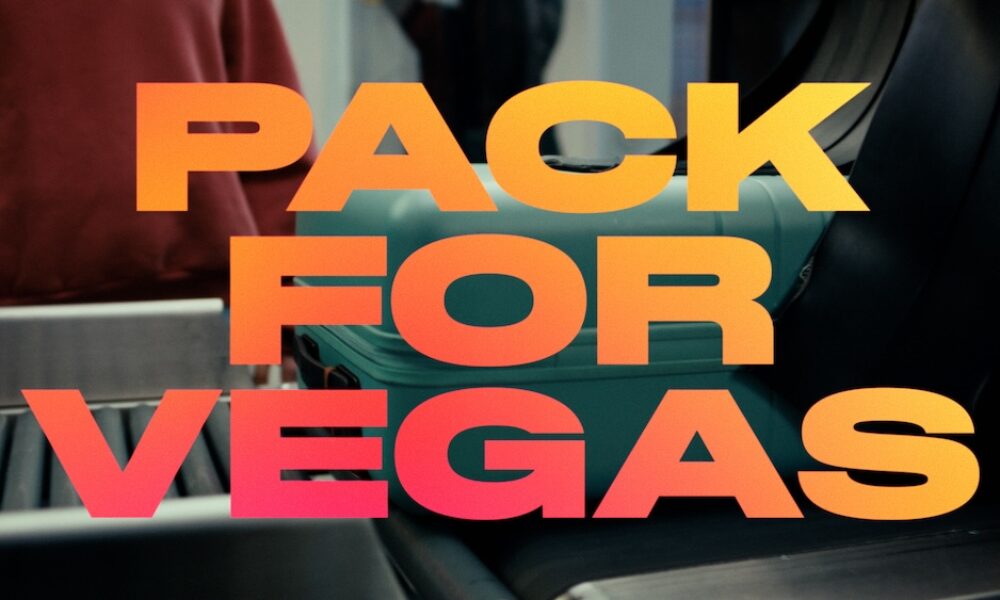
Visit Las Vegas recently rolled out its new “Pack for Vegas” summer campaign and, honestly, it’s fun. People are overpacking, spiraling, making chaotic vacation decisions, behaving like actual humans instead of luxury-hotel holograms. The whole thing feels much closer to how people actually talk about Vegas with their friends.
Fontainebleau Las Vegas has also been interesting to watch for similar reasons. Their social content feels much less like traditional casino advertising and much more like somebody documenting a very expensive weekend in real time. Creator clips, nightlife coverage, behind-the-scenes footage, tagged guest videos, people making questionable decisions under beautiful lighting. They seem to understand that people experience luxury brands through other people’s camera rolls now long before they ever see a commercial.

Consumers still want aspiration, especially the Vegas Experience. That part hasn’t changed. But I think they’re becoming more suspicious of anything that feels too polished, too optimized, too obviously engineered to produce an emotional reaction.
I don’t think this means brands need to abandon polish or suddenly start posting blurry iPhone videos with captions written like a hostage negotiation. But I do think consumers are getting better at spotting when marketing feels over-engineered.
Right now, my favorite campaigns are from brands less obsessed with sounding and looking important and more interested in being interesting.

