


Seeking to calm investor fears about Bally’s Corp., Carlo Santarelli of Gaming & Leisure Properties Inc. (GLPI) met with Deutsche Bank analysts last week. Santarelli was an analyst for Deutsche Bank himself before joining GLPI as senior vice president of corporate strategy and investor relations. His views were shared in a September 13 investor note.
Current Deutsche Bank analyst Steven Pizzella “came away incrementally more constructive” on GLPI after having lunch with Santarelli. He said the market was putting too much emphasis on Bally’s-related risks to GLPI, while placing insufficient weight on the real estate investment trust’s (REIT) project portfolio, earnings growth, and balance sheet.
Pizzella noted that GLPI was trading at a substantial discount to where it was in 2023, despite higher earnings per share and no substantial increase in leverage. “While we recognize concerns around Bally’s liquidity, Chicago, and potential restructuring scenarios, management highlighted several potential sources of liquidity, healthy lease coverage, and improving visibility toward potential financing solutions,” he wrote.
The analyst saw a comeback trail for GLPI stock takes steady regional-casino revenues into account. It entails progress at Bally’s Chicago and reaching certain financing milestones.
Pizzella argued that the Bally’s situation looks worse than it is. He pointed to “potential progress” in underwriting $4 billion Bally’s Bronx, which indeed received a $560 million infusion from White Hawk Capital on September 14. Santarelli reported, “Equity interest [is] appearing strongest among family offices. While timing remains uncertain, management’s tone suggested confidence that financing remains achievable.”
The ability to raise funds would, Pizzella contended, alleviate concerns about Bally’s ability to keep operating. Santarelli suggested to the analyst that “Bally’s ability to demonstrate sufficient liquidity over the next twelve months could address the primary issue behind the disclosure.”

One way to do that, Pizzella suggested, would be to obtain loans or equity participation toward Bally’s Bronx. That would, by extension, improve the market’s outlook toward GLPI.
GLPI also played down the significance of Bally’s CFO Mira Mircheva’s September 4 resignation. Santarelli saw no corporate issues as contributing to her departure. “Rather, management characterized the departure as being related to family circumstances.”
Investors were primarily worried, Pizzella wrote, that Bally’s would have to seek bankruptcy protection. Santarelli, however, “believes Bally’s possesses a number of available levers that could collectively generate liquidity before a more severe restructuring outcome would need to be contemplated.”
The GLPI executive expressed confidence that the REIT was well-protected in any event by the rent coverage on its multiple Bally’s master leases. These would “attract meaningful operator interest in a downside scenario and underscores that this is ultimately an operating company issue, rather than a real estate issue.” Santarelli continued that GLPI’s exposure was secured through the leases and by the quality of the assets covered in them.
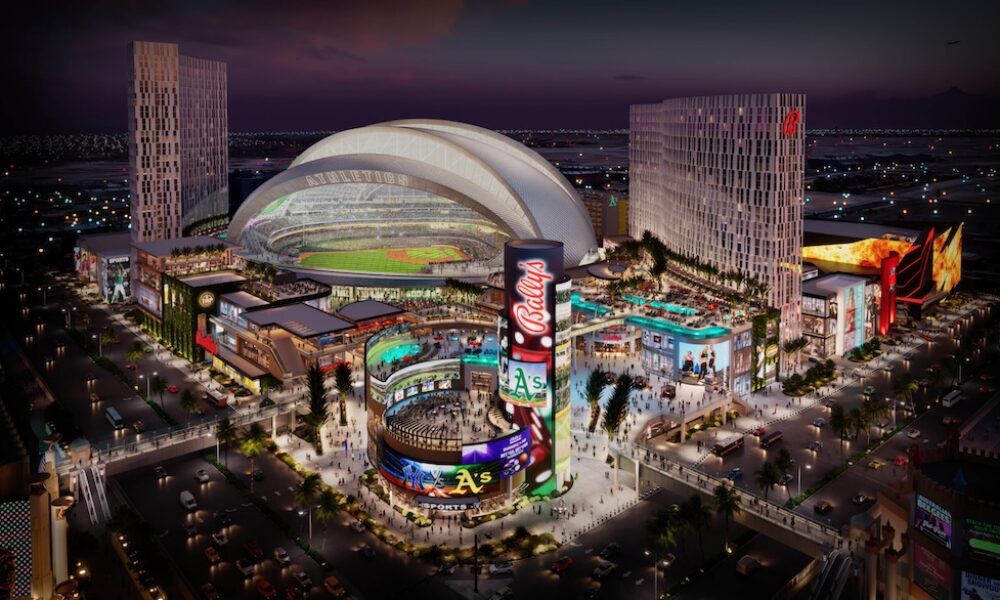
Another reason for confidence for GLPI was market interest in the Tropicana site on the Las Vegas Strip. Although it presently produces on cash flow for Bally’s, GLPI enjoys $15 million a year in rent on the vacant land.
“As a result, management views Tropicana as a logical monetization candidate and one of several liquidity levers available to Bally’s should additional capital be required,” Pizzella summarized. He added that Bally’s still had other fungible assets as well, including Intralot.
Pizzella opined that GLPI would have excellent insight into any third-party appetite to take over Bally’s Chicago. Santarelli, he said, “noted there was substantial competition for the original license, continues to view Chicago as an attractive long term gaming market, and emphasized that the issue is more tenant specific than development specific.”
It would not take very much money to complete the $1.7 billion Chicago megaresort, Pizzella resumed, and the amount of construction already completed would make it appealing to potential buyers, creating an attractive return-on-investment scenario. “As a result,” he concluded, “even in a hypothetical bankruptcy scenario, we believe both the leased portfolio and the unfinished Chicago development would draw meaningful interest from alternative operators.”
