


Despite America’s 250-year-plus history of government lotteries and the billions they’ve raised for the public good, the games struggle to remain relevant today, according to state lottery officials and gaming executives.
Challenges include how to attract a new generation of players to games that lack a degree of “flash,” how to grow their vital relationship with retailers who sell tickets, and how to use services such online sales and couriers, all while staying within the sometimes restrictive regulations and policies set by each state.
“The lotteries that are going to be most successful in the future are those that have (games and players) across every single channel possible,” said Richard Wheeler, interim CEO, Bally’s Intralot, an international provider of lottery supplies. “I’m not saying iLottery’s a bad thing, but retail is not going away. It’s how we modernize in retail and how we stay relevant in retail.”
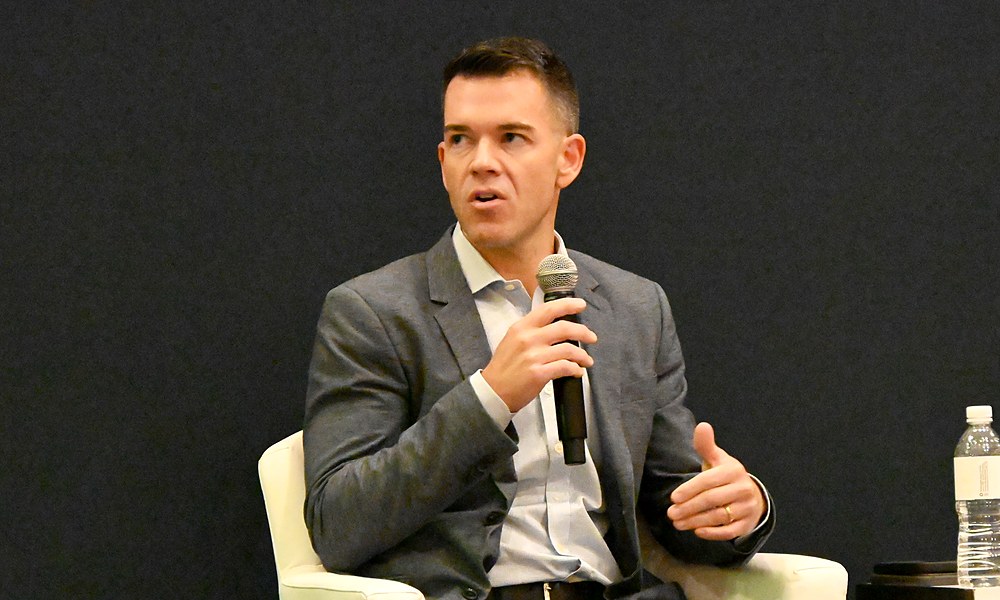
Wheeler took part in a panel discussion at Global Gaming Expo titled “Lottery at the Crossroads: Competing, Connecting, and Growing in a Complex Gaming Market.” Also on the panel were Harold Mays, director of the Illinois Lottery; Jim Carey, executive director of the New Jersey Lottery and president of the North American Association of State and Provincial Lotteries (NASPL); and Alec Thomson, CEO of the Arizona Lottery. Brian Rockey, director of the Nebraska Lottery and immediate past president of NASPL, moderated the discussion.
Panelists agreed that over time, lottery fans have reduced their purchases of other products when stopping at a market or service station to pick up a ticket.
Wheeler said some retail chains favor store formats centered around self-checkout and don’t necessarily have a place for a lottery terminal. Lotteries could aim to provide “a richer experience” in such layouts, he suggested.
Carey said the importance of lottery ticket buyers picking up other products from the retailer reflects one aspect of the challenges of lotteries’ aging customer base.
“What we’ve seen overwhelmingly is that those customers are older,” Carey said. “When a young person wants to buy an energy drink or a THC drink, they don’t walk out with a lottery ticket because in that age bracket of 25 to 40, lottery is not relevant. That’s the challenge that lotteries face: making our product relevant to young people.”
Mays, who preceded Rockey as NASPL president, said the Illinois Lottery typically offers 80 to 90 games at a time and has a customer base ranging from age 18 to older than 70. To raise public awareness of the lottery, it partners with the multiple professional sports teams and athletes in Chicago, as well as their charitable foundations.
That roster includes the NFL’s Bears, NBA’s Bulls, WNBA’s Sky, and the Fire of the MLS.
“It’s about going to that next level of communicating, messaging your brand around who you are, and getting people to connect with that,” Mays said. “They can see something more than just selling a ticket.”
Thomson said lotteries should “accept the reality that the next generation is not completely interested in traditional products.” Making the lottery available online is “increasingly important,” he added, also suggesting that a collaboration between state lotteries and the larger gaming industry could benefit both.

About 20 states and the District of Columbia allow some form of online lottery, such as playing games online within the jurisdiction or using a courier service such as Jackpot.com or Jackpocket.com to buy tickets in the purchaser’s name if they live out-of-state.
Carey noted that the New Jersey Lottery was established in 1970, seven years before the advent of casino gambling in Atlantic City, and said the two form an ecosystem serving the state. The lottery generates more direct state revenue than casino taxes and sports do, he said, but the casinos provide many more jobs and generate more economic development.
“Lottery and casinos have coexisted very happily for that entire time. So, there’s a way to work and operate in this ecosystem,” he said.

Wheeler says although lotteries have built a solid reputation with the public, “the challenge is assuming that credibility and that familiarity buy us relevance with consumers today. In the sense of talking about competitive gaming markets, I think it’s a wrong way of framing it.
“It’s about how do we make ourselves relevant. Everything else follows through from that.”
