

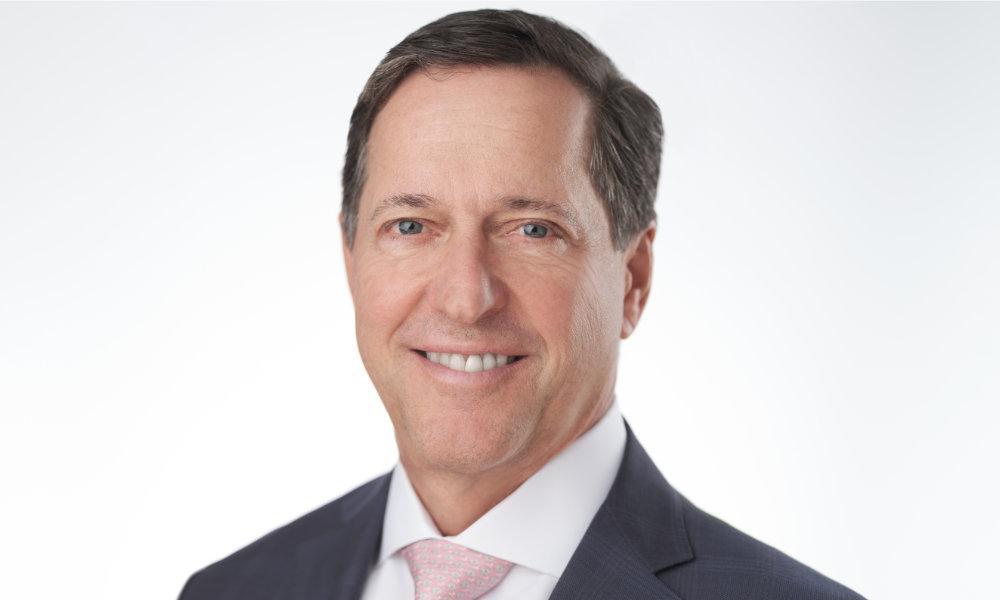

Las Vegas is still the center of gambling in the U.S. for the chief executives of three of the most influential gaming companies.
Craig Billings of Wynn Resorts, Bill Hornbuckle of MGM Resorts International, and Tom Reeg of Caesars Entertainment took to the main stage at Global Gaming Expo (G2E) Tuesday to reaffirm their belief that Las Vegas remains the epicenter of the gaming world.
“We’re still living through the impact of the pandemic and what we had was a bubble that started post reopening, then went to regional markets, then went to destination markets,” Reeg told CNBC’s Contessa Brewer, who moderated the discussion.
“We’ve had summers here (Las Vegas), a couple that were exceedingly strong, and we’ve kind of gone back to the normal seasonality in Las Vegas as things have gotten back to normal,” Reeg said. “To those of us who lived through the days when we were at 98% occupancy, it was jarring, but I think we’re really back to where we were pre-pandemic in terms of rhythms.”
Brewer noted that MGM has fielded complaints about $25 bottles of water, $25 cocktails, and expensive meals at its Las Vegas locations.
But after correcting Brewer that the bottles of water were only $24, Hornbuckle said the luxury segment is doing well and that convention business is up 11%. He admitted the average customer has been hit by certain factors, including increases in airline tickets and gas prices, but he insisted Las Vegas is just in a cycle.
“Did we not pay attention to some smaller detail? Yes,” Hornbuckle said. “Do we have expenses that continue to be in all things? Absolutely. So when people talk about parking and resort fees and water, they’re all part and parcel of a bigger mix. We have to be careful. We have to pay attention to that segment or we’re going to lose it.”
Billings admitted the Wynn caters to an “upper-end” customer and that it’s pertinent not only to maintain a good relationship with them, but also be aware of their needs.
“We will always focus on the most comfortable experience for the customer and where we drive the highest possibility of that,” Billings said. “Some of some folks on the stage have talked about this on (earnings) calls. Operating costs in Las Vegas are higher than they used to be and you really have to think about occupancy versus rate.”

Before Brewer interviewed the three CEOs, American Gaming Association (AGA) President and CEO Bill Miller delivered his annual keynote address, targeting the rapid growth of prediction markets. Miller touched on the gaming industry’s strengths: providing 1.8 million jobs, paying $53 billion in taxes that fund schools, infrastructure, and essential services, and spurring $329 billion in economic growth.
“We come in through the front door,” Miller said. “We follow state laws. We respect regulations. We honor travel sovereignty. We pay taxes. We champion responsible gaming. And we build opportunities for long-term prosperity.”
But prediction markets, which use the “back door” to gain economic leverage, do things differently.

“Their message to states and tribes seems pretty straightforward: Your laws don’t matter. Your regulators don’t matter. Your tax structures don’t matter. Your sovereignty doesn’t matter,” Miller said. “And here’s what makes their approach so remarkable: They know what they’re doing wrong.”
Miller cited Kalshi stating in federal court a few years ago that offering sports betting would be illegal. But Kalshi alone has done more than $190 billion in sports betting and paid zero dollars in taxes.
“We (the legal gaming industry) support 1.8 million American jobs,” Miller said. “The prediction markets have cashmere hoodie bros up in Brooklyn, in the West Village, and maybe they’ve created a dozen jobs.
“Well, to be fair, they do employ an army of lawyers, lobbyists, and PR executives to deal with the legal messes that they keep creating for themselves.”
Perhaps most insidious, according to Miller, is that prediction markets tend to attract 18– to 21-year-olds, marketing to them that Kalshi, Polymarket, and others are an investment strategy.
“Forget the stock market,” Miller said. “Forget saving to start a business. Forget putting away money for the future.”

The CEOs agreed with Miller. Reeg said, “What I worry about is that something awful is going to happen in this interim period, because of the lack of regulation and oversight, that’s going to tar all of us, whether we’re operating in the regulated markets or in predictions.”
Billings said Wynn doesn’t take a political position on prediction markets, because they have “no skin in the game.
“But the broad distribution of online gaming, the broad distribution of betting, there’s some benefit to Las Vegas,” Billings said. “Again, I’m not commenting on the legality. So no direct impact, but certainly indirect impact over time.”
Hornbuckle admitted MGM was approached about entering the prediction market fray. They declined, partially because gaming licenses in Japan, Macau, and Nevada are at risk. But more than that, Hornbuckle said, “There’s got to be principles to all of this. It’s obscene what is happening in a place like Utah, where an 18-year-old can bet. That culture wants nothing to do with gambling. It’s their right. … It’s no taxes, no jobs, I could go on and on. And the cavalier approach to some of these guys in the leadership group is hurting the industry, full stop.
“So whether it’s 1,000 cuts — they’ve lost like 19 cases in a row now the Sixth Circuit — it’s going to end up in the Supreme Court. Let the court decide. If they want to play by the rules, if they want to come to Nevada and get a license and do what we all do, God bless them,” Hornbuckle added.
