

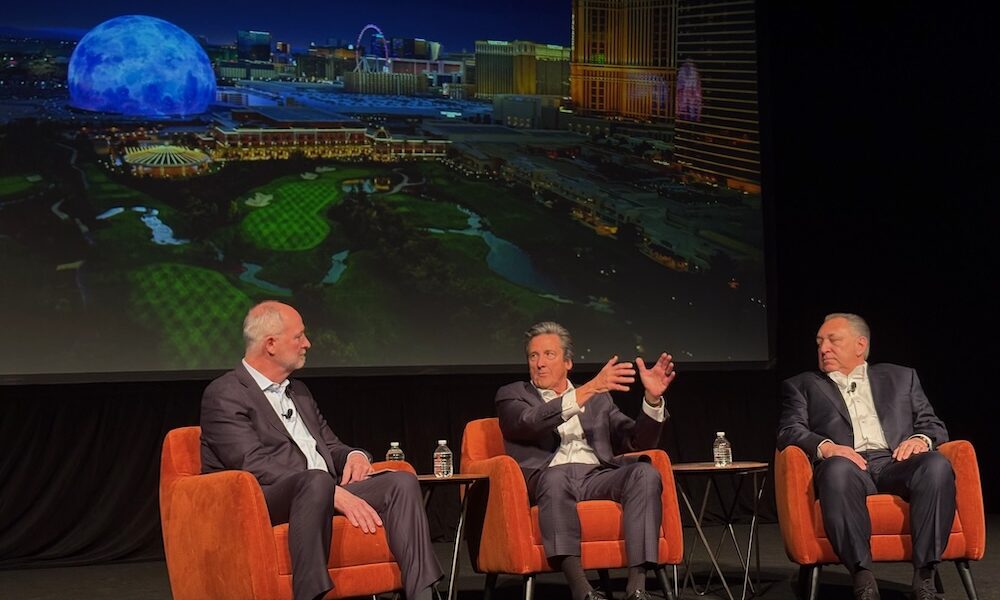

I’ve spent a lot of time at conferences lately, which has reinforced my belief that the gaming industry is simultaneously enormous and somehow made up of the same 200 people.
No matter where you go, the same names seem to surface. Someone you met in Las Vegas appears in Miami. Someone from a panel discussion six months ago is suddenly standing in front of you in line for coffee. It’s one of my favorite things about this industry. It’s also probably why conference organizers can keep moving us to different cities without anyone complaining too much. We know our friends will be there.
Lately, I’ve noticed something else.
The people running companies seem a lot more visible than they used to be. Executives are showing up in more places. They’re writing articles, appearing on podcasts, participating in industry discussions, sharing observations on LinkedIn, and generally becoming a more public part of their organizations than they were even a few years ago.
What’s interesting is that this doesn’t feel like a marketing trend to me, but more like a business trend.
For years, most of us learned about companies through their channels: website, advertising, press release, conference booth. Now we often learn about companies through the people behind them.

Before meeting executives, we may have already heard them on a podcast, read an article they wrote, seen them comment on an industry issue, followed them on LinkedIn for six months. By the time the first conversation happens, there’s often already a sense of familiarity.
I don’t think this is entirely intentional. Most executives I know are busy enough already. Running a company is a fairly demanding hobby.
Yet many of them continue to invest time in sharing ideas, participating in discussions, and making themselves more accessible than leaders were expected to be in the past. Part of that may be because business itself has become more transparent. People want to understand how leaders think. Employees want it. Investors want it. Customers want it. Partners want it.
A logo can tell you what a company does. It has a harder time explaining how decisions are made. That seems to be where people are increasingly placing their attention.
The more conversations I have, the more I find myself paying attention to the individuals behind organizations. They have opinions. Perspectives. Stories. Sometimes they have terrible airport experiences. Those are usually the stories people remember.
Maybe that’s what I’ve been noticing lately. Not that executives are becoming influencers. I still think most leaders would break out in hives if you called them that. But visibility appears to have become part of modern leadership in a way that wasn’t always true.

When I think about the people I most enjoy following in this industry, it isn’t because they’re constantly promoting themselves, but they’re contributing to conversations. They’re helping people think differently about a problem. They’re sharing observations that make me stop scrolling for a second.
Which, if we’re being honest, may be one of the most difficult things to accomplish on the internet.
Especially among the same 200 people.
