

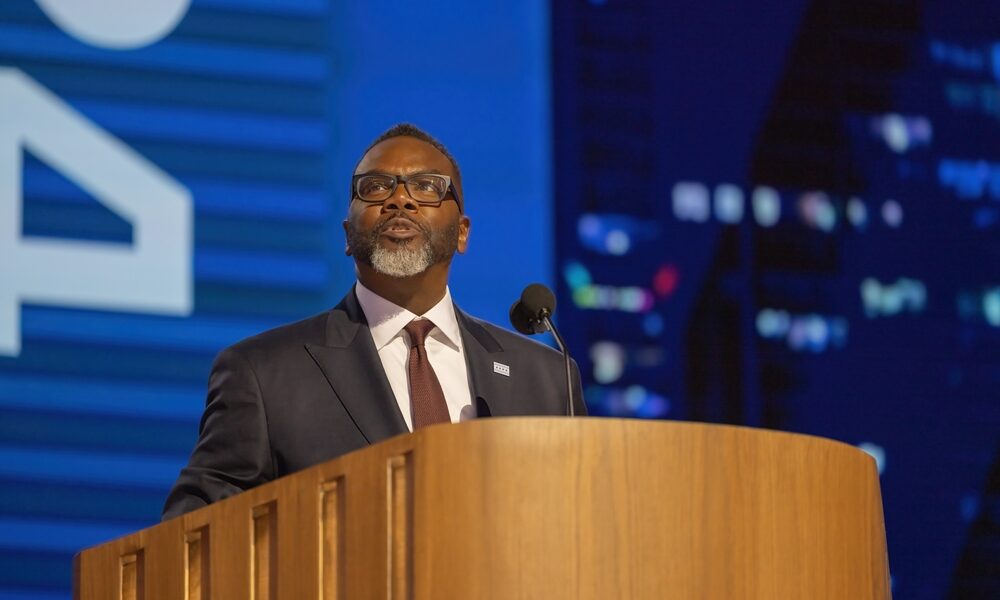

Chicago sports betting has already become expensive. Mayor Brandon Johnson, however, isn’t satisfied with the Windy City’s revenues.
Johnson’s budget for 2027 included expanding the city’s sports betting tax from 10.25% to 20%, almost doubling it. According to the city government, that would result in an additional $37 million in revenue if gambling numbers stay where they are.
Whether they will isn’t certain, nor is the mayor’s ability to expand the tax. The city is already facing legal challenges over the existing Chicago sports betting tax, which could still be declared illegal.
The Chicago sports betting tax is placed on operators, not actual bettors. When Chicago chose to impose a tax on sports wagers, it opted to tax the gross receipts on wagers placed in the city. That means bettors don’t necessarily see an up-front cost when they bet in Chicago, which limits the impact on individuals.
