

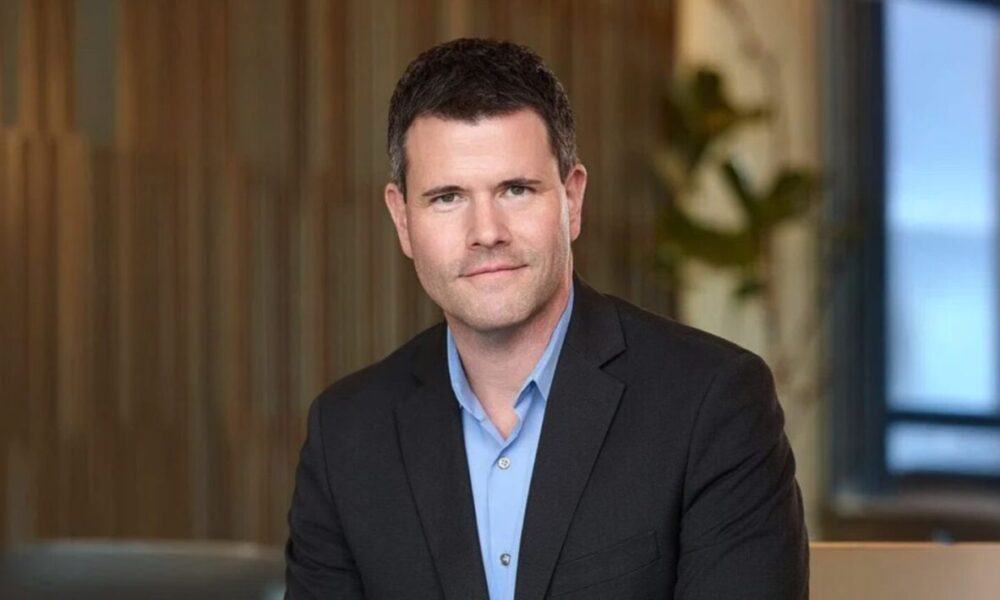

Chris Kelley realizes the task ahead of him won’t be easy: to guide a relatively new (10 years) casino into its next phase.
Named the first CEO of Jamul Resort Casino in September, Kelley embraces the opportunity.
“San Diego, it’s one of the most competitive counties in the country, and we’re competing against a peer group that got a 30-year head start on us. And so, one of the stories of Jamul is this new kid on the block story,” Kelley tells CDC Gaming.
Since it opened in 2016, Jamul, which is about 20 miles east of San Diego, has slowly risen to prominence among tribal operators. Jamul Chairwoman Erica M. Pinto said the casino was looking for someone who could view the resort with “fresh eyes” when it hired Kelley.
“We just thought he was dynamic and brilliant and smart and a perfect fit for this tribe,” Pinto says. “I don’t know how we got him, but we did and we welcome him.”
For Kelley, who has experience managing MGM Springfield in Massachusetts and Empire City Casino in New York, working at Jamul will sort of be a homecoming. He started his career at Viejas Casino Resort, about 30 miles east of San Diego, where he held positions including chief financial officer and general manager. Kelley, who also worked at the Hard Rock Casino Tejon in Bakersfield, said the opening of a hotel in August 2025 – and the ensuing “economic diversification” of the campus – was one of the things that attracted him.
“Now being able to play the role of a chief executive officer is a wonderful gift, and to be able to work with a tribe like this, with a team like this, is an opportunity that you don’t see happen in a career once,” Kelley says. “It was one that when I saw it, I knew it was one that I was blessed to have the opportunity to receive.”
Pinto says when Jamul opened 10 years ago, there were only five or six casinos in the market. Jamul decided to adopt gaming because the tribe wanted to “improve our lives.”
“San Diego is the most beautiful city in the nation, and we wanted to be a destination for people to come and play and eat and stay,” Pinto says. “And now they can, since 2025, with the addition of the new hotel, making us a resort destination. We just wanted to be following along with other tribes, and making sure that we did it right.”
Kelley is well aware of the responsibilities he faces working for Jamul. Unlike commercial casinos, many of the tribal services for its people, ranging from education to healthcare, are dependent on revenue from the casino and resort.
“I think you certainly do feel an increased sense of responsibility for making the best decisions you possibly can,” Kelley said. “But I think ultimately that’s a good thing, and I think the team members here feel the same way. That’s part of feeling connected to the place where you work. And I think that’s why we have so many team members that are still Day One team members here.”
Kelley noted that at a recent 10-year anniversary event for Day One team members, 108 of 600 team workers that started in 2016 still work at the casino.
Pinto said that because of the revenue that Jamul generates, it is able to support elders and youth programs, road improvements and local schools. The ability to use gaming revenue to improve their services is also why Jamul is steadfast in its support of non-tribal programs and organizations.
“I think that’s why it feels so rewarding to be the tribal chair of this tribe, this great nation, the small but mighty nation of Jamul,” Pinto say. “And also working with Chris Kelley here to make those impacts and make sure that we generate those revenues for those programs, and also the people in the community and the other tribal nations. … It’s rewarding work.”
