


Torch Electronics has agreed to pay Missouri $13.5 million over two years and keep its skill game machines out of for-profit businesses to avoid prosecution by the state attorney general’s office.
But under the agreement, announced by Attorney General Catherine Hanaway, the company can continue operating its machines in veterans halls, fraternal clubs, and other nonprofit locations.
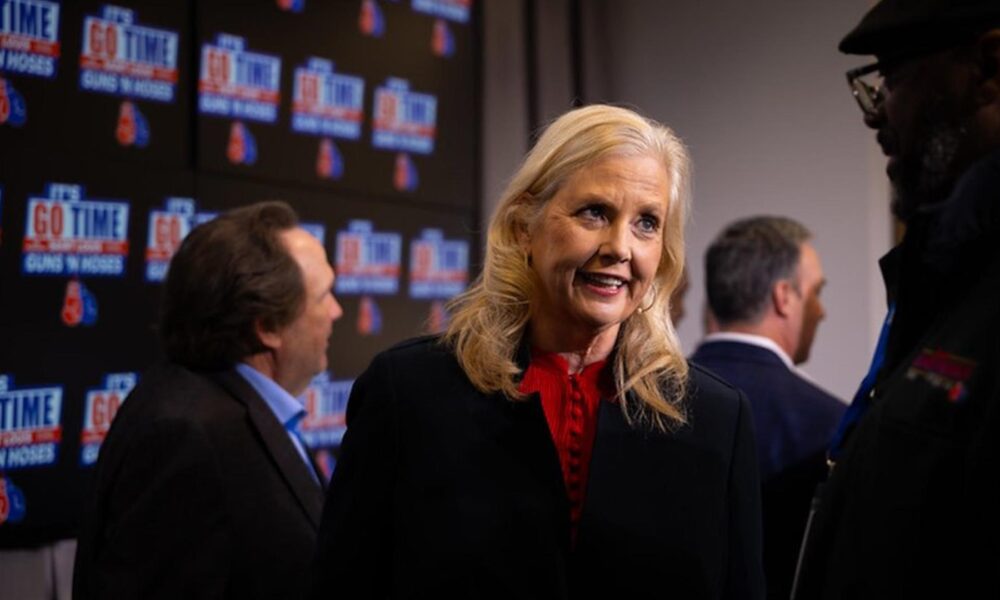
“Torch devices in Missouri have been recalled, disabled, or rendered unavailable for public use in all businesses,” Hanaway said. “This is part of our continued effort to eliminate illegal-gambling operations in Missouri and hold those who promote them accountable.”
Hanaway said the monetary penalty agreed to by Torch will support the state’s Classroom Trust Fund. She made it clear that the agreement “does not constitute an admission of liability by Torch” or its owner Steven Miltenberger.
Miltenberger’s company is a vendor of cash-prize “no-chance” gaming machines, which look like slot machines. The machines have found their way into convenience stores, gas stations, and bars throughout the state.
Torch will also be allowed to sign up new nonprofit locations until January 1. The company did not respond to CDC Gaming’s request for comment.
“It does make a difference that the businesses that had these machines were putting the money in their own pocket as opposed to the VFW or Elk’s Club, who are doing something good to support the community,” Hanaway said.
Hanaway stressed that to qualify, they need to be existing nonprofits.
“We’ve heard some rumor that people are sort of starting new not-for-profits or taping off areas in convenience stores,” Hanaway said. “None of that is in compliance with this agreement.”
The settlement, announced Monday after years of legal battles over the machines, follows a deal announced in April between Torch and Hanaway, in which the company agreed to suspend all operations following a joint criminal investigation by two U.S. attorneys generals offices in Missouri and the state attorney general.
Torch notified all its customers, and the machines were turned off on April 10. In February, U.S. District Court judge John Ross ruled that Torch’s machines constituted unlicensed illegal games of chance, despite the company’s claims that they included skill-based elements.
Under Missouri law, skill-game machines are illegal gambling devices when operated outside of licensed casinos. There are 13 licensed casinos operating in the state.
The company will pay $4.5 million this week, plus $4.5 million in each of the following two years, with an additional $.65 million owed should Torch violate the terms of the settlement.
Hanaway said law enforcement officials are already looking into possible violations of the agreement. She stressed that her office would continue investigating other companies operating illegal gaming machines.
“We have to use prosecutorial discretion and resources and we wanted to go after the biggest and the baddest first,” Hanaway said. “We are pleased to get to this result and we are going to keep going.”
Hanaway said she expected other settlements soon.
