


It is a well-known fact and oft-told tale, Indian gaming has been good for Indian tribes.
The Indian Gaming Regulatory Act passed in 1988; the growth of Indian gaming since then has been phenomenal. But to be fair, the growth of commercial gaming in the same 38 years has been equally phenomenal. The gaming industry has expanded from Nevada and New Jersey to 27 states with commercial casinos and 29 with Indian casinos. Revenue has grown from $7 billion to $70 billion; tribal gaming revenue from $100 million-$200 million to $40 billion. Phenomenal is an inadequate term.
The expansion of commercial gaming in the United States was driven by two factors. Over the last 38 years, every time a state needed extra money to balance a budget or complete a pet project of the governor or legislature, gambling was considered and, with increasing frequency, adopted. The second factor is also embedded in the first. As legal gambling spread, attitudes toward gaming improved. Harrah’s used to publish an annual survey of public attitudes toward legalized gambling. Every year, the approval percentage went up, in lock step with the spread of legal gambling into new jurisdictions.
Tribal gaming spread, but for entirely different reasons, both legal and financial. The first tribes to open casinos were those with the best locations, near urban population centers and in states where the government was willing immediately to begin negotiations for a tribal-state gaming compact. Tribes in California, Connecticut, Florida, Michigan, Minnesota, and Wisconsin had been operating bingo games and were ready to go. Their states, however, were not as eager to allow them to open casinos. Wisconsin was willing. In time, the reluctant states were brought to the table and today, California, Connecticut, Florida, and Oklahoma have major casinos that generate revenue equal to Las Vegas’s.
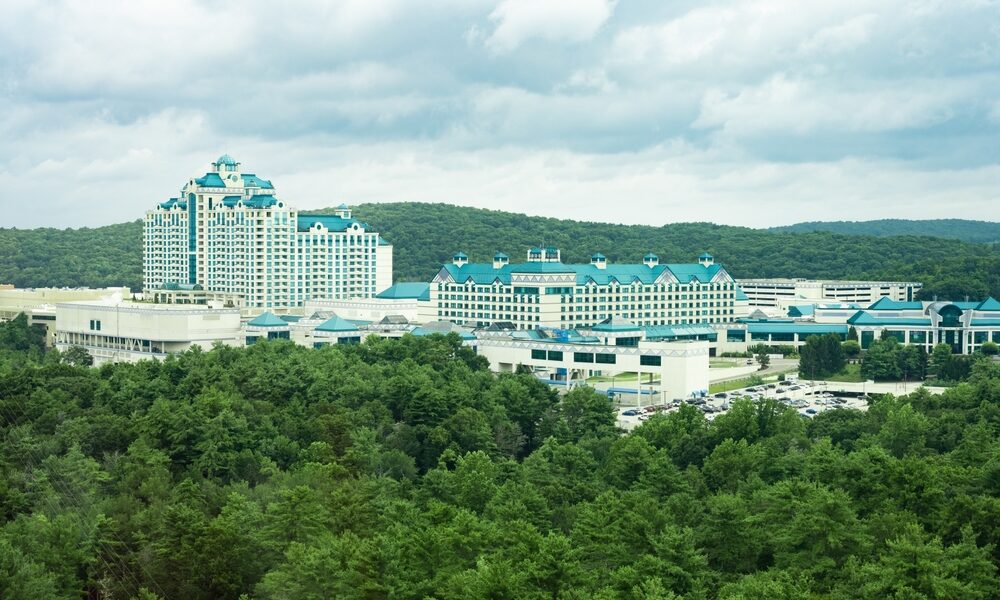
In the beginning, funding held many tribes back. Because tribal land was held in trust and not fee simple, conventional loans tied to real estate were not possible. It took time for lenders to get comfortable with a new model. Foxwoods in Connecticut provided a model; the Mashantucket Pequot Tribe got funding from Lim Goh Tong, founder of Genting and Resorts World Malaysia. When the numbers started to come in from Foxwoods, other lenders started to see Indian gaming as viable.
While the commercial and tribal gaming industries developed side by side, they were driven by very different objectives. Commercial gaming was the product of American business. The industry developed and changed over the years. Originally casinos in Nevada were operated by small-time gamblers with limited bankrolls. In the 1970s and ‘80s, the model switched to larger corporations with Wall Street financing.
The management of casinos has also evolved from a simple gambling operation overseen by a gambler to corporations driven by marketing directors. Eventually, the industry settled into the current model with financial overseers. The objective of a gaming business has always been to make money, but the process is much more complicated and nuanced in the 21st century than it was in the mid-20th century. A casino is a business; gaming is an industry. The same general rules apply to gaming that apply in any business or industry.
Tribal operations have also gone through management changes, as tribes became more experienced in gaming and sophisticated financially. But making a profit was never the prime objective. Tribes operate businesses, but they are not a business. Tribes are a community with a shared culture and values. Tribes differ widely in their approach to casino gambling, but they have one thing in common: Securing the future of the tribe is the ultimate goal.
It is true that some tribes have distributed most of their gaming revenue. But that is not the rule. Most tribes first looked to secure employment for tribal members, then started on a list of other social objectives, such as education, housing, elder care, and tribal traditions. Once a tribe has made significant progress on those issues, it is common to look for ways to diversify into other businesses. Tribes seek to provide an economic base for future generations. A recent report by the Center for Indian Country Development found that tribes with casinos also had more businesses. The list included health care, education, professional services, construction, transportation, and sports teams.
For example, the Wilton Rancheria in California owns a soccer team and is building a $450 million stadium complex for the team. The San Manuel Band of Mission Indians bought the Palms in Las Vegas in 2021 for $650 million. The Chickasaw Nation in Oklahoma operates the largest casino in the country with over 10,000 slot machines. But it also operates more than 100 diversified businesses in a variety of services and industries, including manufacturing, energy, health care, media, technology, hospitality, retail, and tourism.
Gaming is important in Indian Country as a gateway, not as an end in itself.
