


I was walking along a street in Valencia when I noticed a long queue outside a cheesecake shop. Valencia has plenty of cheesecake shops and I have sampled many of them. In my opinion, this shop had nothing special and other shops sell much better cheesecake. But what this particular shop had was influencers.
For obvious reasons, I did not join the queue, so I cannot say for sure what drew the people in it, though I have my suspicions. When you cannot tell two restaurants apart, watching where other people are eating is a useful shortcut. Birds do the same thing. When a flock flying over a field sees a few birds pecking at the ground, the flock circles and lands, on the reasonable assumption that the others have found something to eat. Economists call it an “informational cascade”; the rest of us call it following the crowd.
The shortcut works when the ones ahead of you in the queue chose for themselves, but I doubt that many in the cheesecake queue had. Most had probably watched the same TikTok, but that is only one opinion and the queue makes it look like forty. The flock, at least, is watching other birds eat. The people in a queue are watching other people wait. It is a strange thing, but we queue behind ourselves.
Researchers once built a music website to see how people’s choices influence one another. About 14,000 visitors were invited to download songs by bands they had never heard of. Some chose with no idea what anyone else had picked, which showed how much each song was liked on its own merits. The rest were split into separate groups and each group could see how often every song had been downloaded. In these groups, a few songs became hits, but a different few in each group. The song that topped one chart could finish a long way down another. The songs with real appeal rarely flopped and the weakest rarely won, but between those extremes, the early momentum decided the rest.
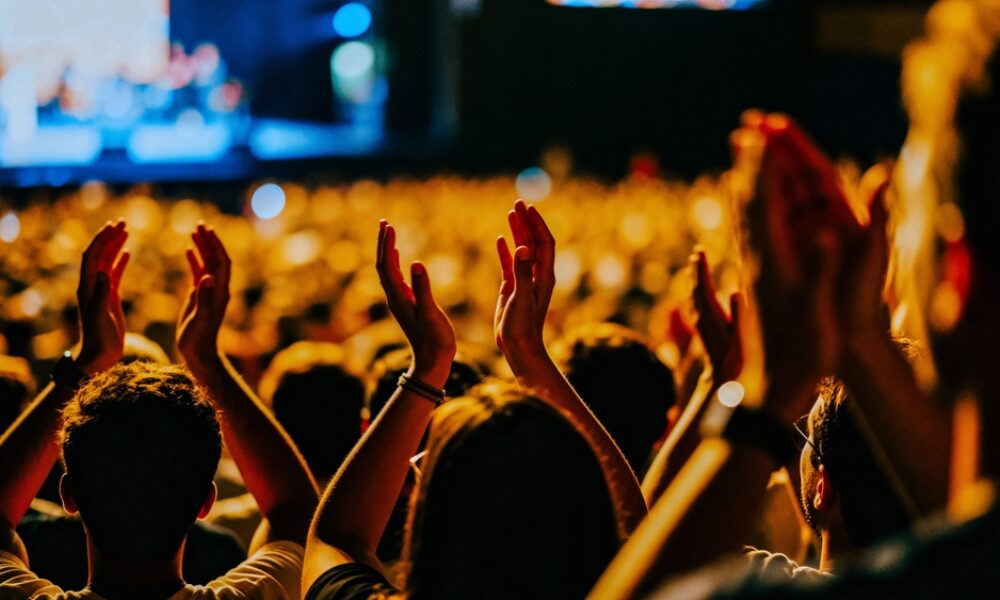
Which brings me to my point. If an audience follows applause, someone will see the economic opportunity and will hire the applause. In Paris in the 1820s, they did. A claque was a band of professional applauders, the claqueurs, who took seats among the paying public and looked like any other opera fan. They laughed at the jokes, wept in the right places, and called for an encore, led by a chef de claque who knew from the dress rehearsals exactly when to start. The audience, not knowing it was being led, joined in.
The job was certainly worth having. The theatre gave the chef free tickets, the actors paid the chef monthly, and the opera singers who wanted bouquets and encores slipped him more. A singer who declined to pay might find the claque sitting on its hands or even booing. One chef de claque is said to have paid 6,000 francs for the post at the Opéra, about four years’ wages for a skilled worker, and the job paid for itself many times over. The Valencian cheesecake shop had influencers who do the work of a claque, but mostly look better in photographs.
The claque has gone, but the habit has stayed in the theatre. I have been going to watch plays for over 50 years and for most of that time, a standing ovation was kept for the evenings when something extraordinary had happened on stage. Now it is how the evening ends, especially when there a famous name is in the cast. I do not think the shows or actors today are any better than in the past; it is just human behaviour that is different.
Once a few people stand and clap and cheer, everyone gets up. The few who would rather stay seated cannot see the stage, so they rise too, and before you know it the whole house is on its feet, with nobody able to tell who was really moved by the play. It is the same as the cheesecake queue, a few opinions creating the rest.
So why join the queue? Part of the answer is the photograph. The queue is proof that you were there and it outlasts the cheesecake.
Part of it is fashion. Nobody thinks a hemline is better in itself. It is right because others are also wearing it and it will be wrong next season for the same reason. The queue is fashion for a Saturday morning and the person who does not join is the one in last year’s hemline.
Part of it is the fear of missing out. A long queue says the thing is scarce. Scarcity says it is valuable and nobody wants to be the one at the office on Monday who is without the scarce item.
The influencer helps, because people spend hours with these faces on their phones and the follower comes to think of the influencer as a friend, though the social media friendship only runs one way. When a friend tells you the cheesecake is worth the wait, you go and queue.
There is, of course, a shortcut that works better than the queue: the food critic. The difference between the critic and the influencer is worth a moment. The critic is paid by a newspaper or its readers and not by the restaurant, has eaten in a great many places and so has something to compare this one with, and keeps a career only as long as readers find the advice sound. The influencer is often paid in meals or money by the place being reviewed, has usually eaten in far fewer places, and is judged on views, which do not depend on whether the cheesecake is any good. In fairness, critics get things wrong and some influencers are scrupulous, but I know whose opinion I would rather follow into a restaurant.
Cheesecake has one saving grace. Sooner (as in my case) or later you eat it and your own tongue overrules the video, although there is a question about priming and objectivity. A bet cannot be tasted; the result is random, so a player cannot judge its quality from one session or 50. That leaves the cheering as the only evidence and an online bet has no critic, since there is nothing to review but a screen. A land-based casino at least has a room, a bar, and a restaurant that a critic can judge.
Online-gambling streamers supply that cheering in quantity and most of them are paid by the casinos whose games they play, which makes the streamer the claqueur and the casino the Paris Opera.
Streamers have been accused of bigging up their wins and leaving out their losses and a report on casino streamers found most were compilations of wins, but rarely, if ever, a loss. Some are said to play with the sponsor’s money, which leaves them little personal risk.
The card break is my favourite example, because it hardly looks like gambling at all. A company prints collectable cards, say footballers, and sells them in sealed packs. It hires a presenter to auction the packs online and the presenter talks up what might be inside: It has been a while since anyone saw Ronaldo in a pack; one is selling on an auction site for a lot of money; the winning bidder could easily sell theirs for many multiples of the cost of the pack. The marketplace does not advertise its link to the company, but it will be a related party. It decides how many Ronaldos are printed, sells the tickets, pays the supplier of the commentary, and runs the exchange that sets the value of the prize. The presenter is no different from the chef de claque.
Influencers in their many forms clearly work and have done for centuries. What has changed is that technology extends one person’s influence to thousands of people, along with the feelings of friendship. The stakes differ, though; a queue for cheesecake ends, at worst, with sore feet, a mediocre cheesecake, and a bland social media post, whereas the cheering around a bet ends with the outcome of the bet. Before joining either, I think we should ask who the claque are and who is paying their chef de claque.
