
The National Football League is getting ready to begin its fourth week of the 2026 season. Already, some teams have established themselves as contenders and it should come as no surprise that most were contenders in 2025. There are at least two surprises: The Las Vegas Raiders and San Francisco 49ers are off to 3-0 starts. At the other end of the standings are also well-known losers. It is early and no one is guaranteed a trip to the Super Bowl. And there are enough games yet to be played so that every fan can nourish a hope that his/her team stands a chance. Passions run deep and in 2026, almost every fan’s money can follow the passions if he/she so chooses.
This year, there are some new betting storylines to go with the games. One of those is the prediction markets. By now, it is not a new story, but it has become more prominent with the NFL season. However, here too we are being treated to a bit of surprise. The prediction markets are not stealing as much market share as originally predicted, while still taking a lot of bets. InGame reports that the markets are handling $6-$8 billion over a weekend. It sounds like a great deal of money, but not in the prediction world, where gold’s daily average turnover is $89 billion, crude oil $97 billion, and natural gas and silver $16 billion; even corn gets more action than sports at $8.9 billion. By comparison, sports is small potatoes.
To further complicate the narrative, the prediction markets are losing more than winning in the courts. By the end of this football season, prediction betting on sports may be a thing of the past, though I would not put any money on the outcome of the ultimate court battle; the Supreme Court has not been very predictable lately.
Another storyline should worry the gaming industry more than prediction markets. It is the sad tale of the losers, not the teams, but the gamblers. Media focus on gamblers losing is not good for the gaming industry. Any time gambling is in the headlines, the industry’s reputation is at risk. A significant portion of the gambling population is at risk and that is a real problem. This year more than ever before, those people are gaining more visibility with the increased visibility of sports betting.
For the most part, the gaming industry has avoided any real backlash from the negative effects of problem gambling. Most of the enabling casino/gaming legislation included some protection, albeit often very minor. In most jurisdictions, gaming was a minor part of the economy and casinos had a relatively small impact on society. It was estimated that about five percent of gamblers were at risk of becoming addicted and suffer financial and social harm. Five percent is a lot, but industry operators, regulators, and lawmakers have taken steps to mitigate the harm. And casinos are now training their employees to recognize problem behavior and intervene. Those measures were enough to shield the industry’s reputation until the advent of mobile/remote gambling options and the exposure given to sports gambling by the media.
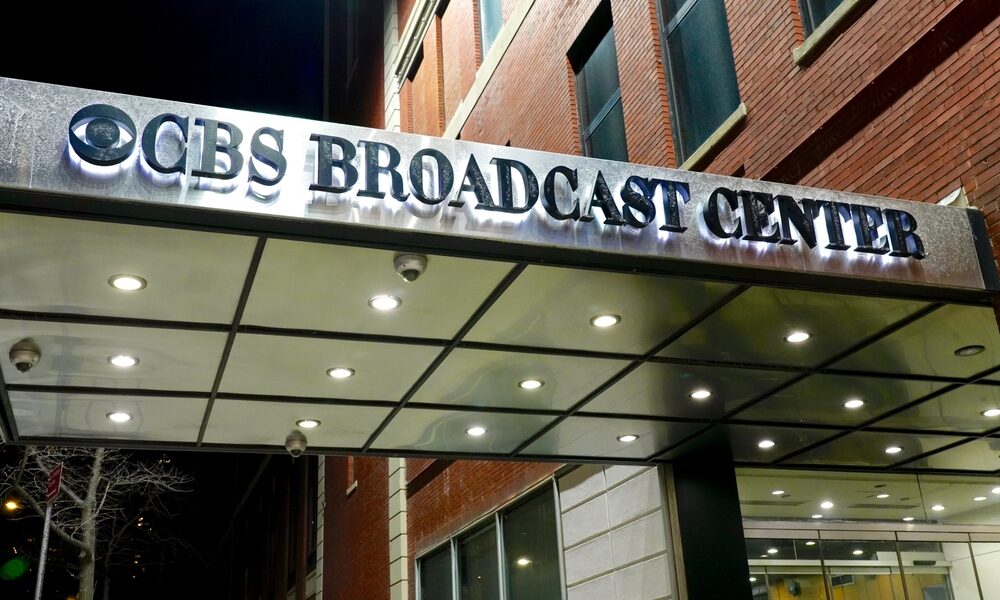
Recently, CBS aired a segment on sports betting. At least that was the tout. In fact, the program was an indictment of sports betting, at least as practiced by FanDuel. The program focused on a single bettor, a young unmarried salesman. When asked, he said he bet every day and estimated that he wagered between $80,000 and$100,000 a year; his yearly earnings are $97,000. He equated sports betting in 2026 to crack cocaine in the 1980s.
The host of the show, Jim Axelrod, asked good questions. Good questions, that is, if Axelrod had been the lead prosecutor in a trial where FanDuel was accused of felony marketing. Wipe away the hype and FanDuel is probably doing what made Harrah’s/Caesars successful — database marketing. The gaming industry did not invent the concept, banks and airlines did. The principle is simple: Previous customers are more likely to make new purchases and those who spent the most previously are likely to be among the top spenders again.
My then-wife used to get a call from Franklin Mint once a month. The caller told her about the new ceramic figures it had for sale. After they talked about my wife’s health and our grandchildren and dogs, my wife always bought something; nothing cost less than $100 and most were closer to $500 each. She was vulnerable, at risk, if you will. It is a fact of life: Some people are vulnerable to a targeted sales pitch and they are easily found by mining the right database.
That is one way to frame the issue, but it ignores a deeper problem, that gambling does cause harm in some cases. Serious harm. Ignoring that fact puts the gaming industry itself at risk. It is incumbent on the industry to take decisive action before Congress does. The CBS story was about one man and sports betting, but its brush could tar the entire industry.