
Fresh off Fanatics’s launching its sports betting prediction market in California and other states this month, the state’s tribal leaders are gathering through Thursday in San Diego to discuss their counter strategy, including allying with Attorney General Rob Bonta on legal cases and even considering going into the business themselves if it can’t be defeated in court or legislatively.
James Siva, chairman of the California Nations Indian Gaming Association, appeared Wednesday on a webinar hosted by the Indian Gaming Association, the organization that continues to rally against prediction markets, arguing it’s illegal, infringes on tribal sovereignty, and robs tribes and their states of revenue.
Prediction market operators maintain they’re protected under regulations governed by the federal Commodity Futures Trading Commission and as such are not subject to state laws.
Tribes, along with commercial casino operators and states, have been pushing back through litigation and engagement with lawmakers to seek a solution that preserves their industry and its jobs. In addition to Fanatics, California tribes are preparing for FanDuel and DraftKings to eventually launch prediction markets.
“We need some tribes to get together and sue under the Indian Gaming Regulatory Act [IGRA],” said Jason Giles, IGA’s executive director. “It’s a violation of IGRA and state tribal compacts. We had three tribes in northern California bring a case and their preliminary injunction was denied, but not without positive commentary from the federal judge. It does look like a loophole folks have found in the Commodities Exchange Act.”
Victor Rocha, IGA’s conference chair, asked Siva what tribes are doing at their meetings in the wake of Fanatics coming into California to offer its platform regardless of what state law says.
“I think you’ll hear continued frustration,” Siva said of the California tribes. “They’ll be disappointed about the northern California lawsuit, but we’ll hear from member tribes involved in that and their attorneys.”
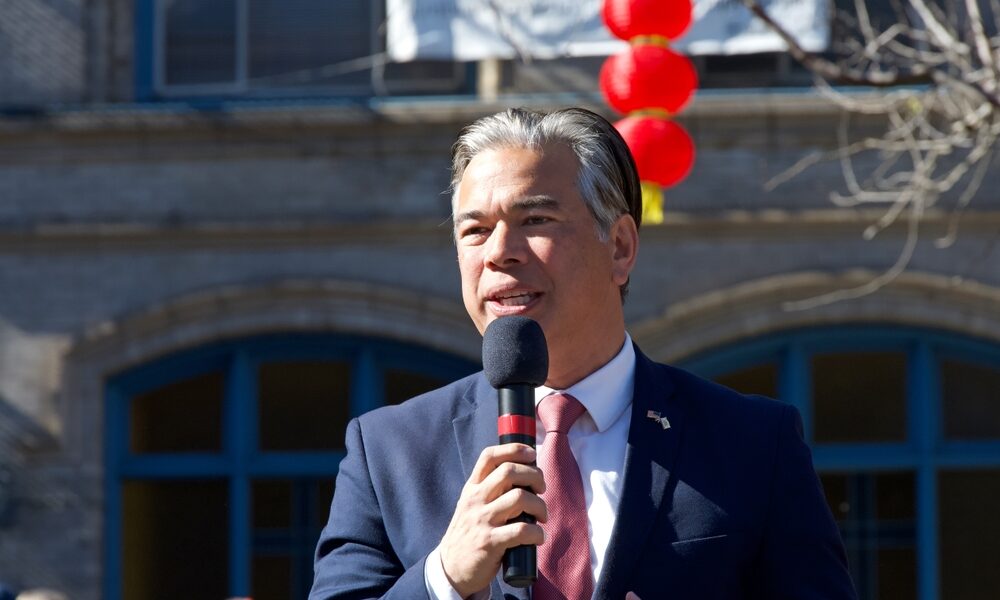
Siva told the panel that in California, Attorney General Rob Bonta will be signing onto amicus briefs in lawsuits and filing the state’s own lawsuit against prediction market operators.
“That is something we’ve been advocating since this issue came to our attention,” Siva said.
Siva said it’s incredible that when it comes to marketing, the prediction market operators are referring to it as sports betting, but in court cases they’re denying it is.
In addition to legal and legislative strategies, Siva said tribes will discuss what he called Plan B in dealing with prediction markets. While they’re mainly focused on the legal and public-policy route with lawmakers, it’s hard to ignore the green light given to prediction markets by the Trump Administration, despite the law on the side of the tribes, he said.
“There have been some conversations that if we can’t get this shut down, at what point do we have to find a way to compete in this space?” Siva said. “We’ve found ways to innovate and compete in any space we’ve entered. At what point do we allow them to violate our sovereignty without at least protecting ourselves economically, as we continue to try to protect ourselves politically in D.C., California, and across the country? But if that battle isn’t one that can be won, we have to continue to protect ourselves by whatever means we can. That might be the thing that ultimately gets us shut down, because tribes are held to a different standard and criticized more than any other group. I wouldn’t be surprised if a tribe opened a prediction market and this whole thing gets shut down within a matter of months.”
That sparked laughter on the panel, with Siva saying that’s how opponents go after tribes.
What’s happening in California isn’t new, Siva said. He added he’s heard whispers about tribes in other states having similar conversations about getting in prediction markets.
“It’s something we have to do,” Siva said of the discussions and potential going forward. “We have to protect ourselves in any matter we can. The priority now is to get them shut down across the country. If we can’t get them shut down across the country, we will do our best to get them shut down out of California.”
Rocha said, “The best defense is an offense” and as soon as tribes put out their own product and start taking the market back, they can beat operators in “any game they want to play.”

California voters rejected retail sports betting at tribal casinos and race tracks and rejected online sports betting in 2022 when tribes were locked in a battle with sports betting operators led by FanDuel and DraftKings.
“Fanatics will find out in the California market how many ways they are vulnerable,” Rocha said. “Not just here in California, but across the country. They still have their feet tethered to the ground in different markets. That makes them very vulnerable with their licenses in other states. We have to push them back into their lane, just like we did with sweepstakes, but we can’t do it alone. It has to be done with states and done nationwide. It can be done and will be done. I have no doubt in my mind as we bring everybody and wake up and understand the threat.”
Giles said he’s been talking to tribes across the country about what’s going to happen to tribal exclusivity if these companies operate a prediction market platform.
“I guess Utah and Texas are fine, with their citizens having an outlet for gambling, when they’ve been stridently against it since they have been a state in this country,” Giles said.
Rocha said the states will lose tax revenue when FanDuel and DraftKings pull out of those markets where they operate to go into prediction markets and compete with Kalshi and others, because of the value their companies are losing to those upstart operators.
“Wall Street is in love with the new shiny object and that’s what we’re fighting,” Rocha said.

