

David Katz of Jefferies Equity Research has placed Buy recommendations on two real estate investment trusts (REITs) heavily invested in gaming. His views on Vici Properties and Gaming & Leisure Properties Inc. (GLPI) were articulated in a January 11 investor note.
Katz called GLPI and Vici “the most stable business models in our coverage.” However, he added, “The current moment implies more dynamism than expected for both and we believe the [Wall] Street debate over positives and negatives for both companies should remain lively in the near term.”
In particular, Katz called the recent softness in Vici — down 15 percent in the fourth quarter of 2025 — “overdone.” He also felt the higher valuation of GLPI might get slimmer, but that both were long-term investments worth having.
The Jefferies analyst wrote that the underlying case for both REITs “is always based on the fixed-lease revenues, the long-term risks to those revenues, and the companies’ ability to grow over time. Through this lens, we believe both names present a series of puts and takes.”
Katz offered the caveat that “fixed lease” was a relative term, as the rent escalators in the REITs’ leases varied across their real estate portfolios. Ergo, “fixed” was not meant literally.
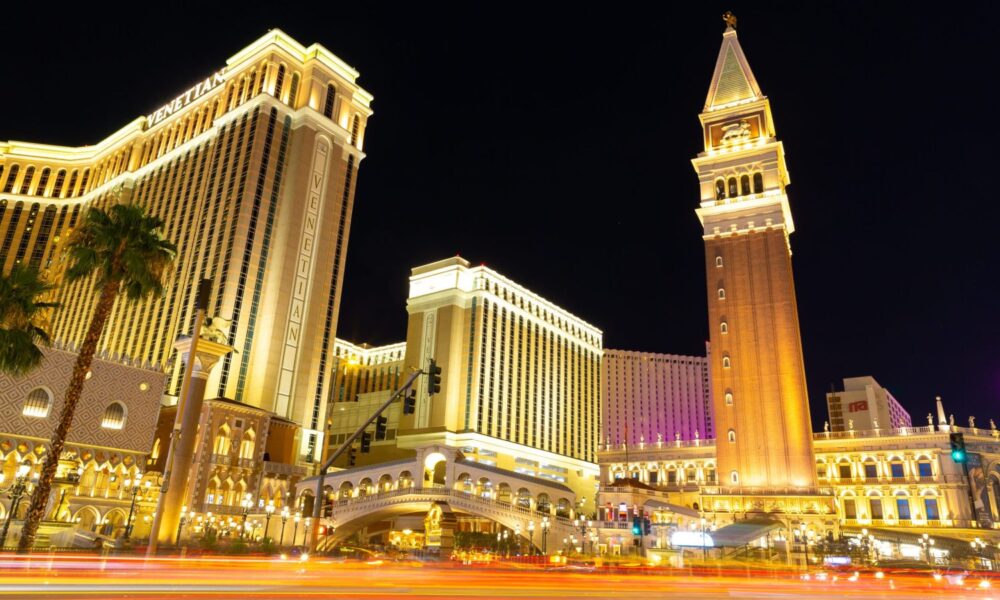
Also, real estate on the Las Vegas Strip “bears greater durability long-term, given the rising competition for regional gaming.” GLPI has less than one percent Strip exposure, compared to Vici’s 29 percent.
“Finally, both companies endeavor to grow creatively, with Vici pursuing non-gaming assets and loan strategies and GLPI having incrementally greater productivity with gaming leases and adding Native American loan deals,” Katz wrote. This meant, he said, a higher growth horizon for GLPI.
Katz also articulated clear concerns over Vici’s master lease with Caesars Entertainment’s regional casinos, currently at a low one-times-cash-flow ratio. This comprised 18.5 percent of Vici’s rental stream.
Management for both Caesars and Vici, Katz continued, “publicly indicate they are discussing alternatives for the lease, which we believe could result in a rent reduction in exchange for capital and other commitments” from Caesars. Vici executives told Katz, “The issue can be resolved over time, though we believe the share price pressure could continue until the issue is resolved.”

Nor was Vici out of the woods. Growth in both gambling was difficult to obtain, according to Katz. Instead, Vici “expects to fund its tenants’ internal expansions, convert existing loan opportunities into leases, and capture new lease opportunities in sports facilities, which have yet to meaningfully materialize.
“Herein lie the issues that offset the high-value, branded, competitively positioned Las Vegas Strip real estate value, which drives the historical premium valuation,” Katz continued. Nonetheless, he nudged his price target on Vici stock from $42 per share to $43.
GLPI wasn’t without risks, Katz continued. It had obtained growth through deals with Bally’s Corp., Penn Entertainment, and Cordish Gaming. Growth via Penn had been achieved through capex projects, as opposed to new developments with Cordish and Bally’s.
Focusing on Bally’s, Katz observed that it has large-scale development projects on the boards in Chicago ($1.7 billion), New York City ($4 billion), and Las Vegas ($2.5 billion). He continued, “These could involve GLPI in some fashion that bears risk, and while GLPI has demonstrated capital prudence in the past, Bally’s has been an evolving company from a strategic perspective with considerable lease-adjusted leverage.
“This element, coupled with the aforementioned focus on regional gaming assets, drives a warranted discount to peers,” Katz concluded.
Nevertheless, he bumped his per-share price target on GLPI stock from $61 up to $62.

