

As operators ranging from destination resorts to slot routes adopt cashless technology, their initial goals differ from one site to another, Sean Salce says.
“It hasn’t been a one-size-fits-all approach,” said Salce, U.S. East vice president of sales for Koin Payments, a digital payments provider based in Las Vegas. “A destination resort and their strategic initiatives may not be the same as (another) property’s. It’s about understanding the fundamental different realities of how they work. It’s about the adaptability of the platform.”
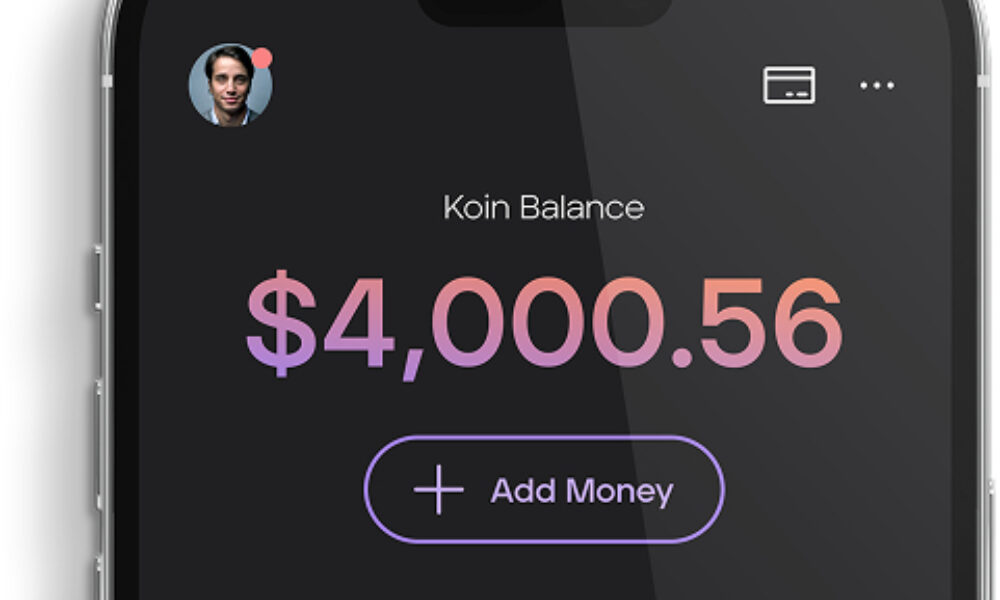
Koin, which works with all levels of gaming operations, recently rebranded its Koin Pay app as KoinLife; a user’s MyKoin account enables secure payments at participating gambling or retail locations. The name change emphasizes “the scalability of the product and how patrons can utilize it across all different touch points, not only gaming, but non-gaming, on- and off-property,” Salce said.
Operators in Nevada and California already use Koin for digital payments. Recent additions include Casino Pauma in San Diego County, Calif., which uses it on the gaming floor and at non-gaming facilities, and Eclipse Route Operations, which owns several gaming properties and manages slot route operations for multiple partners in Nevada. “We’re also scaling to larger destination properties in different states,” Salce said. Those are expected to be announced later this year.
What each operator wants from a cashless technology provider can vary dramatically, Salce said.
Route operators, for example, tend to be more cost-sensitive than those overseeing full-fledged casinos, he said. Their digital payment system needs to be lightweight, with minimal disruption to their operations. “(The system) has to be simple and intuitive and affordable. It has to be easy for (patrons) to sign up and utilize. It has to be quick and nimble.”
Among casino operators, a primary concern is seeing a clear return on investment: how much digital payments increase playing time and wallet share, for example, and how they reduce operational costs such as cash handling. These operators also look for regulatory compliance and enterprise-grade data security.
The need for additional features grows with the size of the operation. “Larger operators obviously have more amenities, both gaming and non-gaming,” Salce said. “They’re building a stronger interest in that omnichannel engagement and how to utilize that data.” Cashless accounts enable a compilation of per-customer spending within an operation, from pinpointing their favorite table game or slot machine to identifying preferred non-gambling amenities such as restaurants, bars, and entertainment. “The omnichannel engagement and data utilization creates a path for them to market to that individual directly to increase visits,” he added. Operators in states with online sports betting or igaming want a cashless technology that provides for those options in the digital wallet.
Salce said “modular deployments” of cashless gambling allow operators to control the pace of adoption throughout the facility. For example, some operators launch digital payments with the primary goal of increasing the amount of cash on the floor. KoinDirect allows patrons to transfer money directly from their bank account to a slot or table game without an app or players club card. Other operators focus on having cashless for their online sports-betting or casino games before expanding to non-gaming or in-person gambling use.
“It’s just a matter of listening to what their business needs are at the time, and being flexible enough to have a platform that scales to their needs,” Salce said, predicting that such “early wins” will give momentum to the gaming industry’s adoption of digital payments.

