
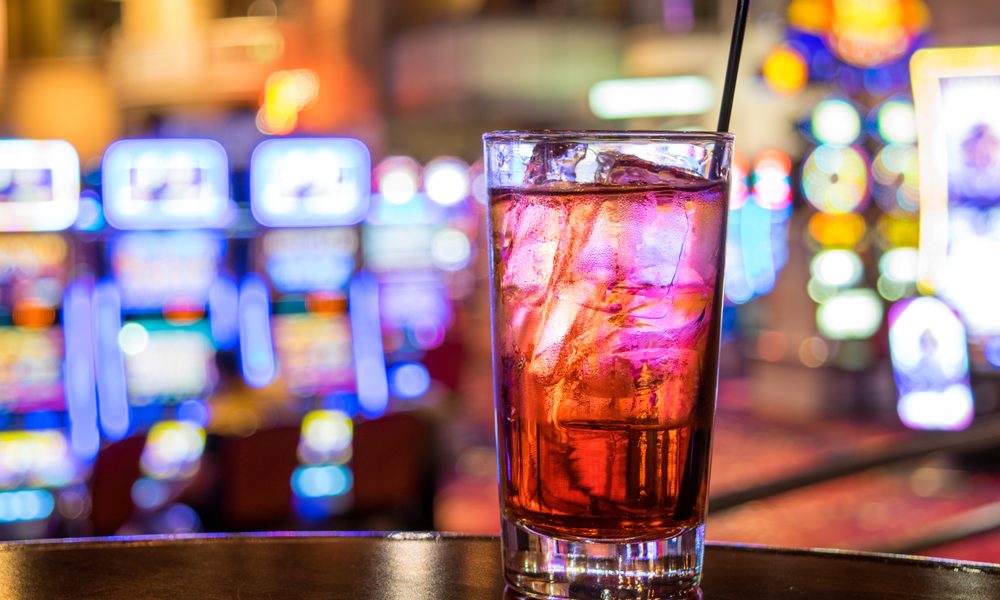

They say the party never ends on the Las Vegas Strip and for the most part that remains true.
But I’m told the free-spending inside the Boulevard’s high-end nightclubs has been especially soft in recent months, a time of diminished visitation by locals and tourists alike.
It’s little secret that business has been slow in Las Vegas. It’s a story that has made international news throughout much of 2025. Perhaps that’s part of what’s been fueling rumors in recent weeks that some nightclubs have been using what I’ve heard described as a “credit card-based slush fund.” This is used to offset a downturn in customers willing to dole out hundreds and even thousands for top-shelf liquor in scenes set by top-tier DJs, whose marquee status and paychecks were once reserved exclusively for showroom superstars. None of that comes cheap and the figures I’ve been hearing place the slush fund in the millions.
This week, an anonymously sourced story broke on Casino.org that alleged potential felonious behavior at Wynn Resorts over the inappropriate use of liquor company-issued credit cards. The article named assistant vice president of Wynn Daylife/Nightlife Ryan Jones as a central figure.
Jones has a long track record of success and more than two decades in the nightlife business, including 15 years with Wynn Resorts. If anyone would know the health of “the entertainment hospitality landscape,” as his LinkedIn site calls it, I believe it would be him. He is, after all, “recognized for propelling brands of world-class daylife and nightlife venues, launching premier residencies for collection of artists, executing large caliber out-of-market events, and initiating partnerships with global brands.”
I called him recently and he was polite enough to respond, if only to decline to comment on some of the rumors I’ve been hearing. Which may be nothing more than a reflection of company policy. Jones isn’t alone in declining to speak with me.
Wynn Resorts, however, issued a statement.
“We engage a third-party promotions vendor to manage our Title 27 promotional liquor funds. The promotions vendor, which is not a liquor distributor or liquor company, also manages other promotions, which are unrelated to Title 27. The vendor is supposed to bill the Company for all non-Title 27 transactions.
“The vendor supplied a credit card to be used for Title 27 transactions. The vendor also supplied a separate credit card for non-Title 27 transactions for reimbursement by the Company, which the Company has reimbursed.”
What’s been described by multiple industry sources, also anonymous, is a practice considered fairly common in the Las Vegas nightclub business. This latest business emergency has been necessitated in part by a new generation of Las Vegas visitors who enjoy the scene, but gamble and drink less in a place that traditionally has paid the mortgage from such activities.
In that light, the anxiety of the nightclub operators seems more reasonable. It’s understandable that they might try almost anything to keep their own lights on.
The problem is, it’s not as simple as that. Like common bars and sawdust saloons, flashy nightclubs operate under strict federal and state liquor laws and regulations that forbid comingling of funds from liquor distillers, distributors, and retailers.
The federal rules of the road fall under the jurisdiction of the U.S. Department of Treasury’s Alcohol and Tobacco Tax and Trade Bureau (TTB.) The TTB was created in 2003 following the reorganization of the Bureau of Alcohol, Tobacco and Firearms. As its official website enthuses, “The history of taxation and regulatory control on the alcohol and tobacco industries is as old as our nation itself.” But I’ll keep the history lesson brief.
For the purposes of discussion, the TTB’s compliance programs are designed to protect consumers and effectively regulate a free-flowing industry, while the agency collects excise taxes. Those rules include restrictions under the Federal Alcohol Administration Act on how much the liquor industry can make available to bars and retailers to promote its products.
In general, suppliers and wholesalers aren’t allowed to give anything of value to retailers. That includes cash, gifts, or goods at a below-market discount. No inducements for exclusive rights. No bribes or bonuses.
Some things are allowed. Beer tap handles, for instance. Signs and small items, within reason. Officially, anyway.
In practice, however, a variety of sources confirm it’s common for some bars to receive new equipment that sometimes includes a makeover of the bar itself, as well as uniforms for the hired help.
I haven’t managed to slog through all the material available online, but nowhere did I read that it’s appropriate, or legal, to use a slush fund to ensure nightclubs keep pumping the booze and music. After all, no luxe club, no top-shelf bottle sales.

To say the bending of these rules in Las Vegas isn’t news understates the obvious. After spending many millions to design and build nightclubs, ultra-lounges, exotic pool settings, and “exclusive” late-late-night spots in a town where the bars never close, it also makes sense that the proprietors and their employees would be tempted to do almost anything to keep the party going.
If this were any other time, business trouble inside the local nightclub scene wouldn’t make a news note. But after a calamitous 2025, the last thing the Strip’s casino operators need is more news of a lack of regulatory rigor on their properties.
These are licensed and regulated places, right?
After doling out tens of millions in fines and settlements last year for failing to follow well-established anti-money-laundering laws and customer-compliance regulations, the last thing the Boulevard needs is one more preventable scandal.
Whether or not we have one remains to be seen.

