
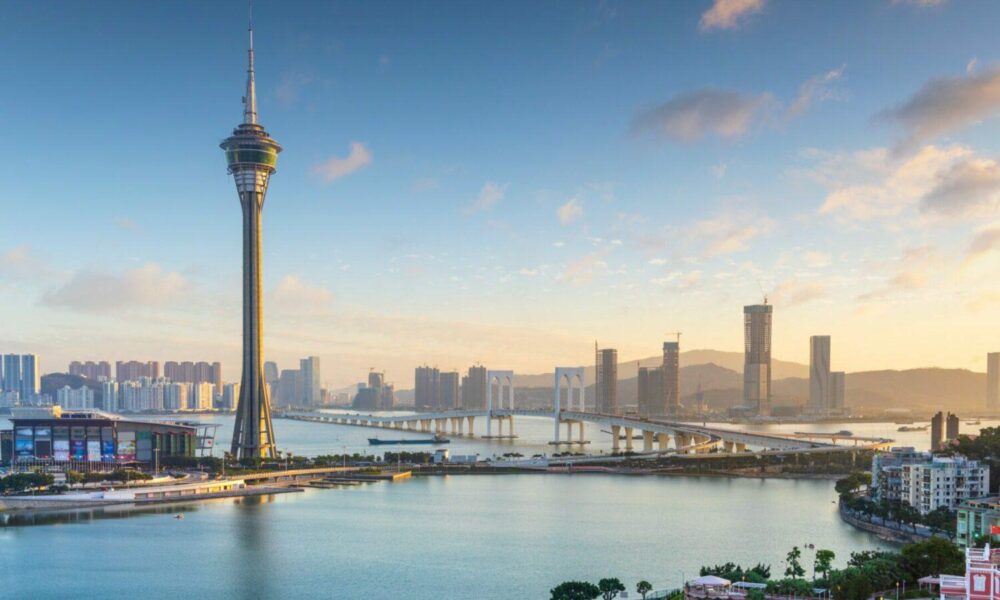

J.P. Morgan gaming analyst Joseph Greff, in a wide-ranging presentation, stressed the “continued upside” for Macau, stressing the overweight ratings he placed on Las Vegas Sands, Wynn Resorts and Melco Resorts & Entertainment (but not MGM Resorts International). Striking a familiar theme, he wrote, “While we are far from being experts on China policy, we think recent policy moves and commentary would suggest China and Macau will gradually improve travel/mobility, setting up a recovery in the 2Q23, consistent with our forecasts.”
As of January 8, no restrictions were in place for travel to Macau, even from Taiwan (although there are some caps on capacity, with only 10 ferry trips per day permitted). Overseas visitors must only manifest a negative PCR test within two days of their arrival in the enclave. Observed Greff, “We know that in various and small sample sizes that, when Macau is accessible, demand is strong (the problem is that Macau has not been consistently accessible).”
Currently, Macau is at merely 20 percent of pre-COVID altitudes of gaming revenues, although numbers have improved in recent months. “We think is more room for recovery,” Greff understated, pointing to the mass market, which he believes can achieve 60 percent of its 2019 heft, adding, “We’d like to think these numbers are rooted in conservatism.” He sketched out a scenario whereby a Macanese improvement leads to higher projections, which in turn dispel “still awful/skeptical sentiment,” with the Macau segment achieving or outperforming previous levels across a multi-year period.
Turning to the Las Vegas Strip, Greff liked its preponderant operators, MGM and Caesars Entertainment, given the market’s “solid backdrop,” and a strong convention and special-event calendar. In the lodging sector, he favors Hyatt Hotels and Wyndham, neither of which is gaming-centric, although the Dream Las Vegas casino-hotel (presently under construction) recently benefited from a Hyatt cash infusion.

