
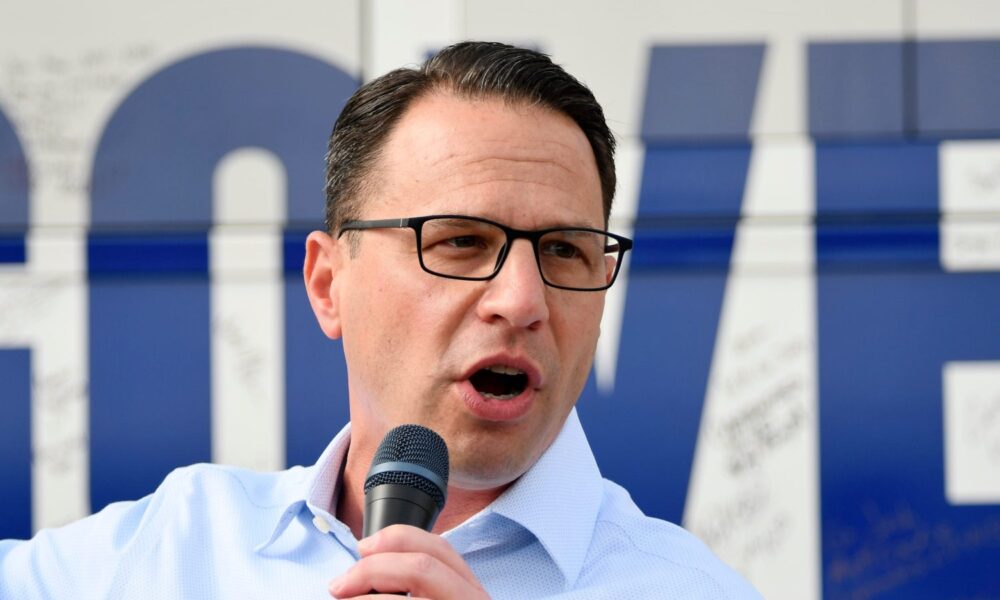

Pennsylvania Gov. Josh Shapiro is getting a jump start on National Gambling Awareness Month. Amid an increase in call volume to the Council of Compulsive Gambling of Pennsylvania, Shapiro wants to increase public awareness of gambling addiction and promote the support and recovery resources available in the state.
Every March, Pennsylvania’s gambling commissions and support programs launch a month-long initiative to raise awareness for problem gambling. National Problem Gambling Awareness Month is an initiative spanning two decades, now in its 21st year.
Co-hosted by the Pennsylvania Gaming Control Board, the Department of Drug and Alcohol Programs, the Council on Compulsive Gambling of Pennsylvania and the Pennsylvania Lottery, the aim is to increase awareness of the potentially harmful repercussions of gambling and highlight the importance of destigmatization when seeking help from any of the state’s addiction support organizations.
In line with this year’s theme, “Every Story Matters,” Shapiro’s administration is highlighting the stories of bettors who have suffered from problem gambling in the past and calling attention to the resources available for recovery, including helplines such as 1-800-GAMBLER, the Pennsylvania Gambling Hotline.
A 10-year recovering gambling addict named Brad says treatment saved his life.
“I just couldn’t imagine facing all the consequences of my actions, and then from there, that’s where my recovery began,” he said. “I have my ups and downs, but where I was compared to where I am now, I have a great job, I’m raising my daughter and have a great place to live.”
The DDAP said more than 2,800 gamblers contacted the Pennsylvania Gambling Hotline last year, an increase of more than 15 percent since 2022 and more than double the amount of calls since 2019.
As the revenue from regulated gambling markets rises, so, too, does the funding funneled into government initiatives to help those suffering from addiction. Josh Ercole, CCGP executive director, notes the importance of recognizing early warning signs and knowing where you can turn in a crisis.
Shapiro has long shown an interest in Pennsylvania’s gambling markets. This month, he announced his intentions to tax unregulated ‘skill’ games found in restaurants, bars and convenience stores across the state. Pace-O-Matic is one of the leading distributors of such games, which it claims can’t be classed as gambling because they require player involvement and skill.
Under Shapiro’s proposal, the state would tax these machines at 42 percent, which would supposedly provide tens of millions of dollars in revenue after the first year of taxation. Since these games are untaxed and unregulated, there are no safeguards in place to prevent underage or self-excluded gamblers from playing.

