
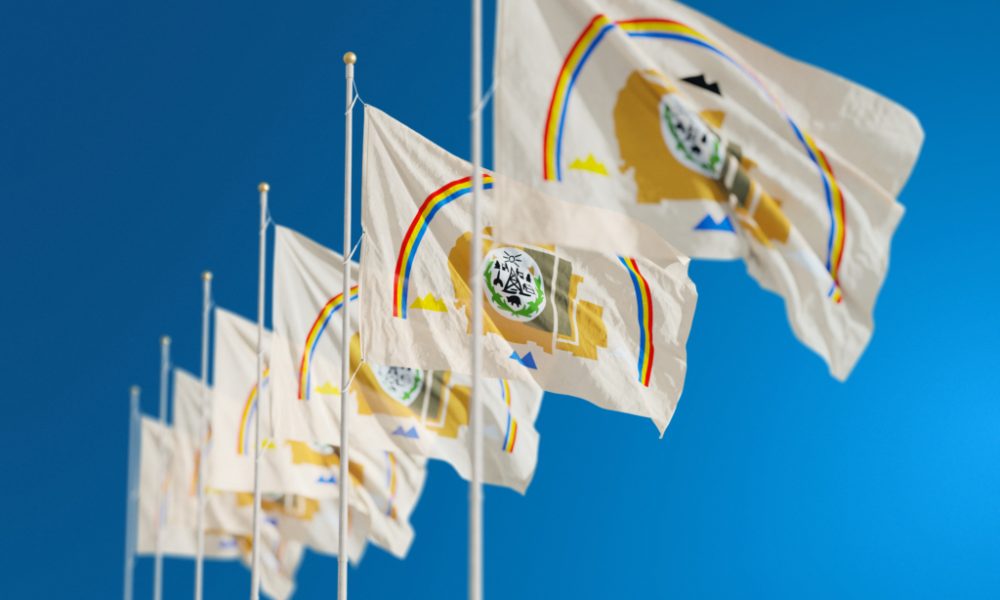

The Navajo Nation Gaming Enterprise of Church Rock, New Mexico, has reinforced its commitment to attack problem gambling during Problem Gambling Awareness Month in March. The tribe announced on Wednesday it will share information about responsible gambling education, prevention, treatment, and wellness programs.
This is in addition to the $3.4 million raised to address problem gambling since 2009. Other payments include donations from unclaimed and forfeited jackpots to non-profit organizations in New Mexico and Arizona.
“For most individuals, gaming is a social or recreational activity that is fun and entertaining. For others, gaming can cause problems that adversely impact an individual’s life,” NNGE Board Chairman Quincy Natay said in a statement. “Being able to refer those struggling with gambling addiction to the proper resources who are trained to help is the right thing to do.”
NNGE’s commitment extends to all its properties as demonstrated through required employee training, providing problem gambling helpline messaging, establishing the NNGE oversight committee and conducting periodic assessments and program evaluation.
Money provided by NNGE help organizations increase public awareness about compulsive gambling and provide treatment and prevention services for problem gamblers, their families, and vulnerable youth.
The NNGE has implemented mandatory employee training to help raise awareness about problem gambling and to train employees how to recognize and respond to a person who may need help. NNGE gaming properties also prominently display messaging about how to recognize the signs of problem gambling and information about where to seek help, as well as raising public awareness through media and advertising outreach.
“Problem gaming can develop in anyone and does not discriminate based on gender, age, social, ethnic or economic groups,” said Natay. “If you are concerned about your own gaming or the gaming of someone you care about, please contact the New Mexico Council on Problem Gaming, the Responsible Gaming Association of New Mexico, or the Arizona Department of Gaming – Division of Problem Gambling.”

