

1929: Inside The Greatest Crash In History – And How It Shattered A Nation
Author: Andrew Ross Sorkin
2025, Viking, 567 pages
Several large companies (mainly through mergers and acquisitions) have extremely high levels of debt. Politicians are pressuring the Federal Reserve to lower interest rates. Tariffs are having an impact on the cost of goods. Several new financial technologies are largely unregulated and changing how and where investors are putting their capital.
That might sound like I’m describing 2026. But I’m not; at least not yet. These are some of the very conditions that led to this country’s greatest depression. Author Andrew Ross Sorkin is a widely respected financial journalist and commentator and well qualified to take this modern look back. He narrates a wild ride through the months leading up to the 1929 stock market crash and the start of the Great Depression.
While our grandparents and their parents could never forget this time, it is probably safe to say that few Millennials, Gen Ys or Zers have any idea how bad things were. And that could be to their detriment if they don’t heed some of those lessons. There are parallels to what’s going on in the country (and especially in our own casinos) today.
 Sorkin told an interviewer on NPR’s “Fresh Air” this December, “So one of the things that (then President) Hoover believed was that you could ultimately jawbone your way out of a crisis – that if you could convince the public that what was happening to them in reality wasn’t, and if you could tell them to sort of put a smile on their face, that somehow you could actually will the economy back into being….and I think we’re, you know, feeling that even today. You know, the president of the United States (Trump) will tell you that, you know, inflation isn’t happening, and yet it is. By the way, I say this in a bipartisan way. There was a period of time where President Biden previously was telling the public that, you know, the economy was doing better than it was”.
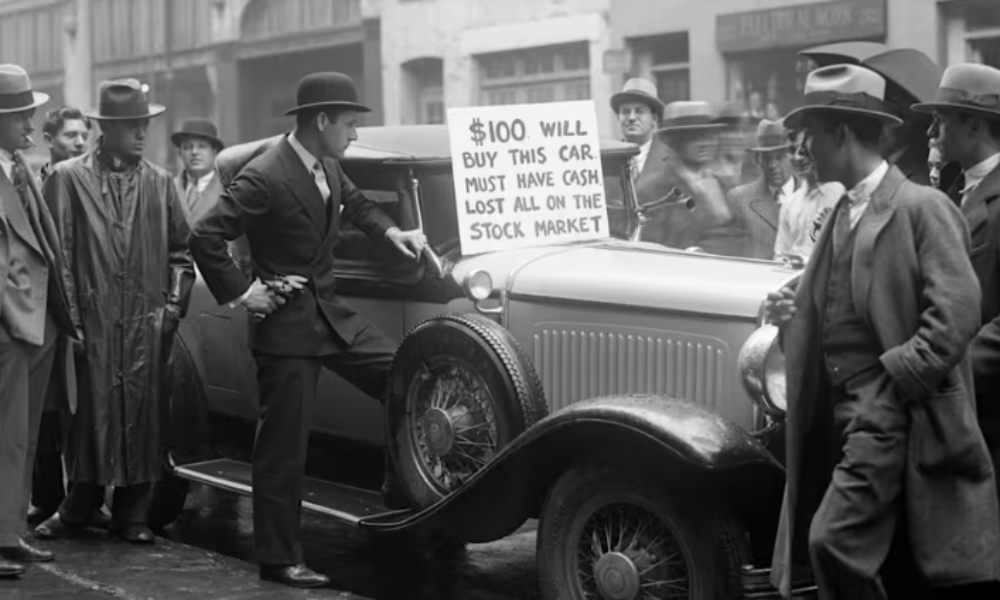
During those depression years, the Dow fell 89% from its ’29 peak to its low in 1932. The banking system collapsed. Industrial manufacturing imploded, unemployment hit 25% and for those still working, wages fell 42.5%. Full economic recovery took 11 years and came only with World War 2.
For all the hardships this country endured (ironically) we enjoy a few spinoff benefits. Social Security was established. The five-day workweek became standard (everyone was working six days before). Some of our greatest public buildings and infrastructure projects were built by the Civilian Conservation Corps (CCC), the Workers Progress Administration (WPA) and/or the Public Works Administration (PWA).
They were all created in the early 1930s to ease the unemployment created by the crash.
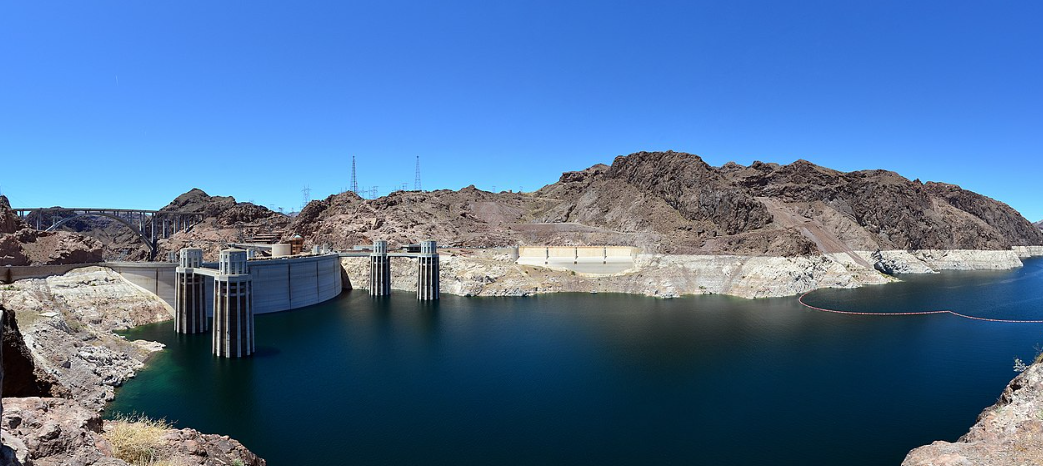
Lake Mead and Hoover Dam near Las Vegas were PWA/WPA projects in the early 1930s
Likewise, banking regulations were stiffened to prevent unsecured margin buying. Importantly, our casino industry laid its foundation when the State of Nevada legalized gaming in 1931, specifically to counter the economic impacts of the crash.
Late last year, both TIME and the The Economist named Sorkin’s “1929” as one of the best books of 2025. So rather than piling on (I, too, loved this book), I’ll concentrate on why we might be concerned about some trends in our own industry.
I’m not saying we’re on the verge of another Great Depression. But Sorkin’s message is clear: the more things change, the more they stay the same. The crash of ’29 exposed the costs of overconfidence, underpriced risk, and fragile liquidity. And casinos, my friends, live right on those fault lines.
- The explosion of casino REITS (Real Estate Investment Trusts) has boosted many balance sheets and provided tax breaks for operators. But can REITS doom our industry if we face downturns in visitation or unanticipated revenue declines?
- We have enjoyed decades of the “build it and they will come” confidence. Growth has always been cyclical; but it is not guaranteed. We can’t rely on ever increasing ADTs, resort fees, new jurisdictions or tighter slots forever.
- Like some 1929 investors, we always over-hype the latest trends: from server-based gaming to skill games, cashless to cryptocurrency, and sweepstakes to prediction markets. These have some frightening similarities to those depression excesses.
- Political landmines can also blow up our best laid plans. The Chinese government’s arbitrary travel restrictions to Macau had major impacts on their gaming revenues. Likewise, our government’s recent negative policies toward Canada, Mexico, Greenland and Europe (combined with tariffs) have severely slowed international tourism (ask anyone on the Las Vegas Strip!).
- The federal government’s laissez-faire attitude toward the emerging “prediction” markets recalls their failure to realize the harm of 1929’s overzealous and unregulated excesses.
- Big money is also a problem. While most of the banking reforms from the 1930s are still in place, there are few guardrails on today’s private capital markets and that recalls the pre-crash state. Gaming has shown a vigorous appetite for this form of debt. (Apollo at IGT/Everi and Venetian/Palazzo Las Vegas, Clairvest at Delaware Park Casino, Blackstone and Realty Income at City Center, Bellagio and Cosmopolitan, Standard General at Bally’s, Catalyst Capital Group at Bluberi, and many, many others not to mention VICI, GLPI and BREIT, which are the REITs that seem to own every casino building and all the land on which they were built.)
In summary, Chat GPT offered this closing thought:
“1929” is not a ghost story; it’s an operator’s manual written in hindsight. The crash exposed the costs of overconfidence, underpriced risk, and fragile liquidity. Casinos—capital-heavy, confidence-dependent, and visibility-challenged—live closer to those fault lines than most industries. The answer isn’t pessimism. It’s preparedness: balance sheets that can flex, promotions that earn their keep, products that diversify demand, partners that don’t concentrate risk, and a brand that guests and regulators trust even when the macro turns.
The best operators are prepared. Are you?
# # #

The cover price for “1929” is $30, but we found it on the internet at $20.59 in hardcover. While it is nearly 600 pages, Sorkin keeps the story moving nicely. He incorporates new material from previously undisclosed personal papers and notes of the key players of the day.
 You can also watch an excellent PBS documentary on these events called: “American Experience: The Crash of 1929”. You can find it on YouTube or buy a DVD for $19.49 on Amazon.
Sorkin’s other hit book “Too Big to Fail” is also a fascinating read about the 2008 housing crisis that had a very negative impact on gaming. It was made into a 2011 film of the same name starring Edward Asner, Paul Giamatti, William Hurt, Cynthia Nixon, Bill Pullman, and James Woods. You can rent it on streaming services for around $10.
# # #

